

From wassailing to wood ash: Creating new, science-backed traditions in Muskoka
By Bet Smith | Saturday, February 14, 2026
A couple of winters ago, I was invited to a Wassailing party at an orchard. Apple tree wassailing is an ancient English tradition celebrated in January, meant to wake up the cider apple trees and scare away evil spirits to ensure a bountiful harvest. Participants gather at the oldest tree in the orchard, singing songs and banging pots, pouring cider over the roots, and placing cider-drenched toast in the branches for good luck.
The event I attended was a delight, with neighbours and community members of all ages gathered for a fun, traditional ritual celebrating nature’s bounty.
Lately, I’ve been very interested in learning more about the nature-based traditions of my ancestors. I’ve been taking in stories about deities, ancient ideas about sacrifice, folklore and rituals that my European and Anglo-Saxon ancestors may have performed. Learning has been a joy, but I have to say that while relevant in their time and joyous today, the rituals I’ve discovered kind of miss the mark when it comes to nurturing the land in a practical way.
In contrast, many North American Indigenous traditions seem to be science-aligned, based on careful observation and attention to nature’s patterns and relationships. Indigenous peoples from Turtle Island practised a tangible, viable form of reciprocity with the earth. Meanwhile, my Anglo-Saxon ancestors banged on pots and pans and hung bread in the trees. (Nice for the birds, I suppose, with those ancient grains.)
Thousands of years ago, all our ancestors, wherever they lived, did so at the mercy of nature, surviving without the comforts we now take for granted. Science could not yet explain natural phenomena, and modern technology didn’t warn of coming storms or changes in climate. Many of our ancestors used rituals to appease the gods and deities they believed influenced the weather and controlled the cycle of the seasons. Stories were passed through generations and over continents, shifting and changing with time. Eventually, some of these stories were documented, providing some evidence that we can look at today. Yet, much has been lost over centuries.
Interestingly, many teachers of ancestral traditions practised in Europe and the UK encourage creativity and adaptation. Given how little we know and that the evidence shows quite a lot of regional variation in spiritual beliefs, it is fair that we might create new traditions, informed by our individual ancestries and our current needs.
In last week’s column, Dr. Norman Yan gave us an overview of Friends of the Muskoka Watershed’s (FOTMW) Ash program and invited us to nurture the forests by getting involved. I encourage you, if you haven’t read Dr. Yan’s article, to seek it out to learn how something as simple as the ash from our wood stoves can help restore nutrients lost from the forest’s soil, improving the health, function and resilience of our forests and watershed.
What I want to propose is that anyone who, like me, is longing to engage in some meaningful nature-based rituals that don’t feel appropriative or overly woo-woo, look to science for opportunities to create earth-nurturing traditions. What a gift it is to have a group of local scientists show us a clear opportunity for effective action. We can build community through fun and meaningful practices informed by science (and even sing to the trees and drink cider as we caringly spread ash on the forest floor).
Personally, I’ve set an intention that this spring, I’ll gather friends and loved ones and head into the forest to nurture the soil and trees, and perhaps reach out to FOTMW to get involved in the larger wood ash program as well.
This article was first published by MuskokaRegion.com.
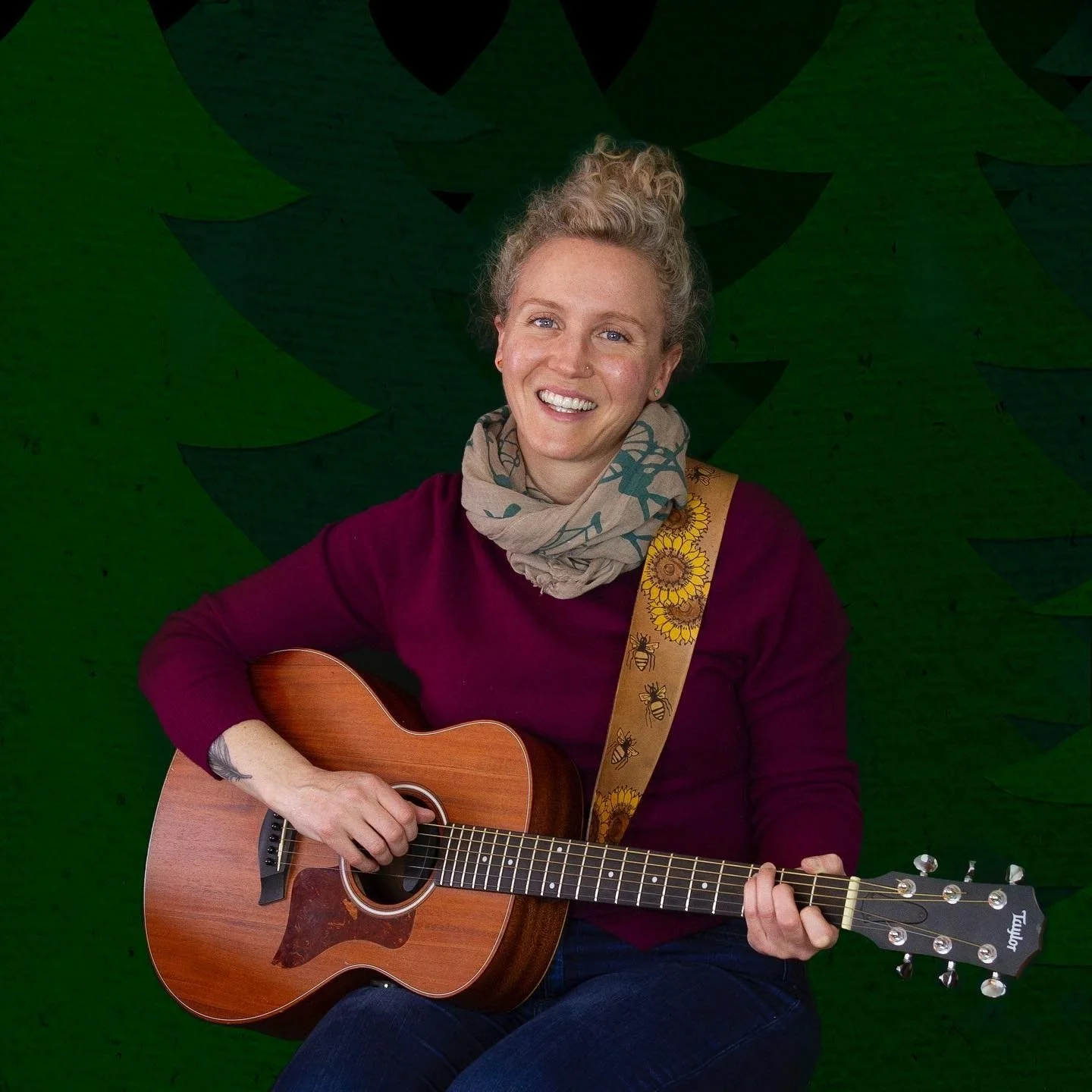
Bet Smith
This is article No. 7 in the current series, Nurturing Our Watersheds, from Muskoka Watershed Council. Its author is Bet Smith, a member of Muskoka Watershed Council who loves to connect the arts and the heart with science and the environment. The series is edited by Peter Sale.