

Engaged Muskoka community learns about watershed management
By Don Smith | August 15th 2026
With its mission to empower the community to protect and enhance watershed health, Muskoka Watershed Council (MWC) was on the mark with its open house presentation on Tuesday evening, Aug. 11, in Partners Hall at Huntsville’s Algonquin Theatre.
Entitled Muskoka River Watershed At Risk: What’s Being Done and What Comes Next, respected MWC directors Peter Sale and Kevin Trimble led an engaged group in examining current development trends, climate change and land-use pressures on the local environment.
They also discussed connections between forest/water management and wildfire risks before turning their attention to the all-important issue of integrated watershed management for the Muskoka River Watershed.
Covering an area of more than 5,400 km2 and extending 210 km from its headwaters in Algonquin Park to its outflow into Georgian Bay, the Muskoka River Watershed “is the place we live in,” said Sale.
However, to emphasize the point that the watershed is much more than lakes and rivers, Sale noted there were just 780 km2 of lakes, with the balance largely being forested lands and developed properties.
“We do not live in our grandfather’s Muskoka,” said Sale, making the point that the challenges facing the watershed today are much different than those of the past.
Referencing MWC’s much-respected Muskoka River Watershed Report Card, he noted that the relatively positive information it contains is not a true reflection of what is happening, both under the surface and on the land that comprises the watershed.
“Our generally quite healthy environment continues to deteriorate in a number of ways,” said Sale. “It is clear that current forms of environmental management … are no longer sufficient.”
Supporting his concerns, Sale referenced population growth projections for the District of Muskoka that show an increase of 40 per cent between now and 2051. Pointing to lakes and forests losing calcium, increasing salt pollution of lakes, and the increasing frequency of algal blooms — all well-documented problems, Sale noted many other problems such as altered food webs and biodiversity loss are very likely but not being measured.
“Our economy is tightly tied to our environment,” said Trimble in his opening remarks.
“We’re part of an ecosystem,” he stated. “We can contribute back to the ecosystem, if we understand how it works.”
Unlike other areas that have a conservation authority, Trimble indicated the 13 lower-tier municipalities along with the District of Muskoka and County of Haliburton are working “collaboratively” to implement an Integrated Watershed Management Plan.
While moving forward in this manner takes time and public engagement, Trimble noted it avoids the costly duplication of another governance body.
Trimble and Sale both expressed frustration at the lack of participation by the province in the process.
They both offered suggestions on how local municipalities, businesses and individuals can work together and allow “ … this vibrant community to remain vibrant.”
They indicated there was neither need nor ability to limit development, but there was a need to find better ways to build and still preserve the environment.
When asked about how those in attendance and the larger community could support MWC in realizing its objectives, Sale advised going to the MWC website, muskokawatershed.org, and clicking on “How to Help.”
The board is actively recruiting volunteers to serve on the council and also welcomes donations and supporters wishing to become Champions of the Watershed. He stressed volunteers do not need to have a science background and that MWC needed those with other experiences and talents.
MWC is an advisory body and not a regulatory or enforcement agency. It makes recommendations to municipal governments, to decision-makes, to managers and to the general public on ways to protect and restore the resources of the area’s watersheds.
Interested members of the community will get an opportunity to hear more about the watershed at the next engagement session, the third in a series, which is planned for Muskoka Discovery Centre in Gravenhurst, at an October date to be announced. Stay tuned.
This article was first published by MuskokaRegion.com.
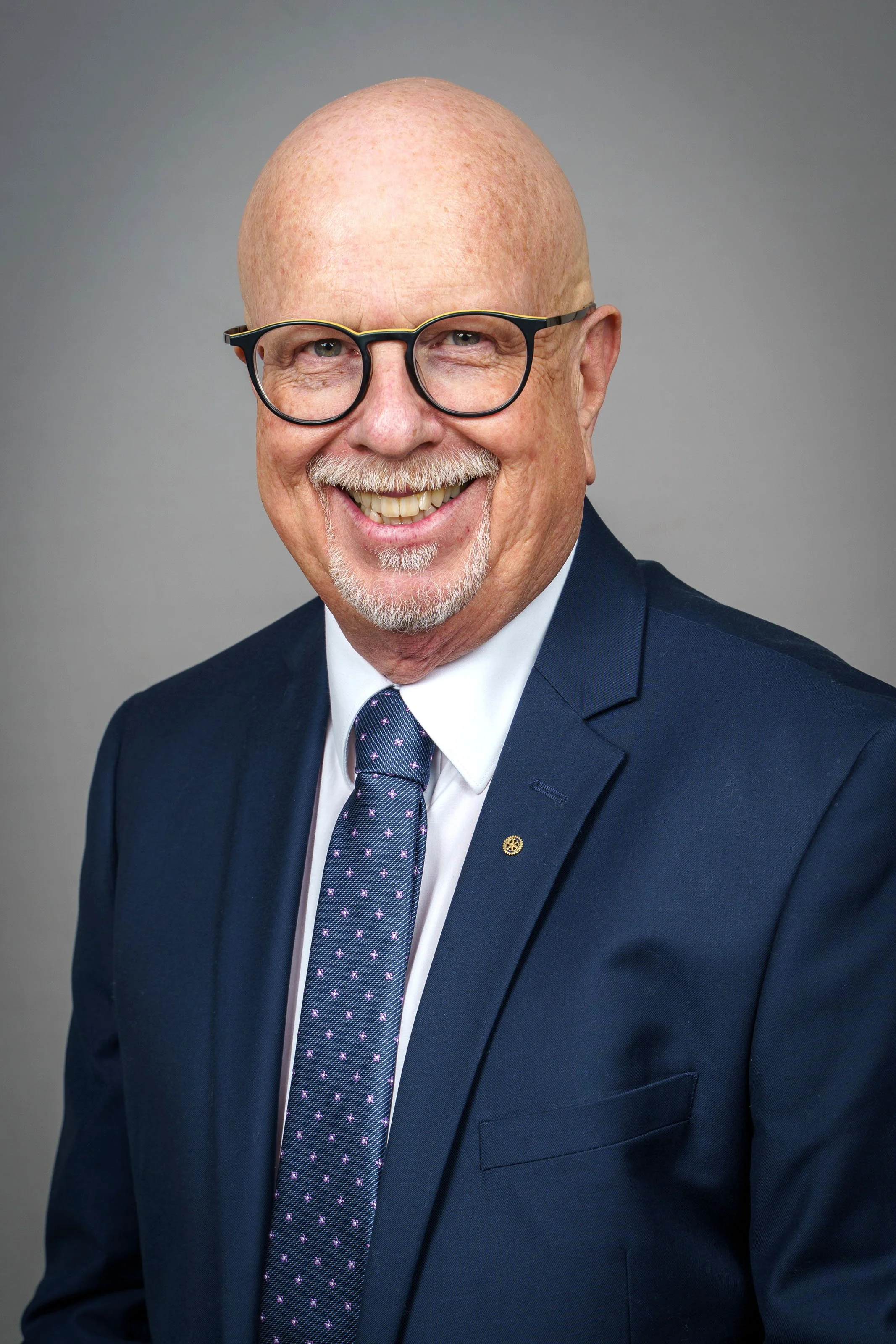
Don Smith
This is article No. 32 in the current series, Nurturing Our Watersheds, from Muskoka Watershed Council. Its author is Don Smith, director of Muskoka Watershed Council, and long-time Muskoka resident. The series is edited by Peter Sale.