

Private landowners control 48% of Muskoka’s watershed — what does this mean for local ecosystems and community responsibility?
By Peter Sale | August 8th 2026
In my last column, I pointed to the need for “long-term planning of a complexity never required before” to manage in a way that will “give our environment a chance to remain healthy.”
Was I talking about long-term planning by government? After all, municipal, provincial and federal governments all have major responsibilities for determining how we interact with, alter or protect our environment.
Yes, I was, but not only about government.
We all share the responsibility for nurturing this watershed.
A 2007 inventory reported that 48 per cent of the land within our watershed was privately owned. About 50 per cent was Crown land, while the remainder was First Nations land.
While government regulates some of what we do on private land, we citizens are directly responsible for caring for about half the watershed.
Furthermore, the Crown land (government-owned) is mostly in the eastern third of the watershed and along the western boundary. That leaves the central portion, from approximately Highway 400 in the west to Highway 35 in the east, almost entirely in private hands.
This concentration of private ownership in one (large) portion of the watershed increases the importance of what we each do as individuals.
So, what is it we do which might have impacts on the environment? While governmental regulations govern what and how we build on our land, mostly we are not building. We simply live our lives.
Take the typical residential plot, in town or on the water. How we use our land can have important consequences for the health of the natural environment within that small piece of land and beyond its borders.
We often “improve” our properties by nibbling away at its naturalness. We remove a tree. We install a lawn, or revitalize a neglected lawn with top dressing, fertilization and herbicide treatments. We mow it regularly, taking pride in the linear stripes.
Sometimes we plant a garden, put in a small pond, fountain or other water feature, plant new trees or shrubs.
Sometimes we get ambitious, paving the driveway, modifying a slope, building a retaining wall or a paved path or patio. But the more we manicure, the more we make our land less hospitable to the other species who live there. And many of the improvements also alter how water moves across our little piece of heaven.
Our small-scale improvements, fully legal, not requiring government permits, can still increase runoff, enhance erosion downslope, and add nutrients and noxious chemicals beyond the capacity of the environment to assimilate.
Take our casual tree removal.
Over 20 years in Muskoka, I’ve seen a progressive reduction in mature trees in residential and lakefront communities, not because anyone made a decision to reduce the overall tree density, but because lots of individual owners each decided independently to remove this tree, or that tree.
We’ve been removing trees since European colonization and never really stopped.
In our towns, there are trees near the ends of their lives that need to be removed, but it takes decades to grow a new shade tree, and we take out many young, healthy trees because it is easier to clear them away and start anew.
Trees provide immense benefits in terms of climate amelioration, stormwater management, and soil enrichment.
They also filter pollution, add life-giving oxygen, and reduce energy costs for our buildings. They also add substantial economic value of our property.
We should think more carefully about environmental costs before removing a tree! But we should also think more carefully as we “improve” our property in other ways. Is spraying the lawn and patio for mosquitoes a sensible action in Muskoka?
Is it wise to create runoff where it did not previously occur? How about using native plants in our landscaping? And how about switching to a heat pump when the old furnace needs replacing?
There are many ways to nurture our environment; it starts with each of us putting our environment first.
So, what is it we do which might have impacts on the environment? While governmental regulations govern what and how we build on our land, mostly we are not building. We simply live our lives.
Take the typical residential plot, in town or on the water. How we use our land can have important consequences for the health of the natural environment within that small piece of land and beyond its borders.
We often “improve” our properties by nibbling away at its naturalness. We remove a tree. We install a lawn, or revitalize a neglected lawn with top dressing, fertilization and herbicide treatments. We mow it regularly, taking pride in the linear stripes.
Sometimes we plant a garden, put in a small pond, fountain or other water feature, plant new trees or shrubs.
Sometimes we get ambitious, paving the driveway, modifying a slope, building a retaining wall or a paved path or patio. But the more we manicure, the more we make our land less hospitable to the other species who live there. And many of the improvements also alter how water moves across our little piece of heaven.
Our small-scale improvements, fully legal, not requiring government permits, can still increase runoff, enhance erosion downslope, and add nutrients and noxious chemicals beyond the capacity of the environment to assimilate.
Take our casual tree removal.
Over 20 years in Muskoka, I’ve seen a progressive reduction in mature trees in residential and lakefront communities, not because anyone made a decision to reduce the overall tree density, but because lots of individual owners each decided independently to remove this tree, or that tree.
We’ve been removing trees since European colonization and never really stopped.
In our towns, there are trees near the ends of their lives that need to be removed, but it takes decades to grow a new shade tree, and we take out many young, healthy trees because it is easier to clear them away and start anew.
Trees provide immense benefits in terms of climate amelioration, stormwater management, and soil enrichment.
They also filter pollution, add life-giving oxygen, and reduce energy costs for our buildings. They also add substantial economic value of our property.
We should think more carefully about environmental costs before removing a tree! But we should also think more carefully as we “improve” our property in other ways. Is spraying the lawn and patio for mosquitoes a sensible action in Muskoka?
Is it wise to create runoff where it did not previously occur? How about using native plants in our landscaping? And how about switching to a heat pump when the old furnace needs replacing?
There are many ways to nurture our environment; it starts with each of us putting our environment first.
This article was first published by MuskokaRegion.com.
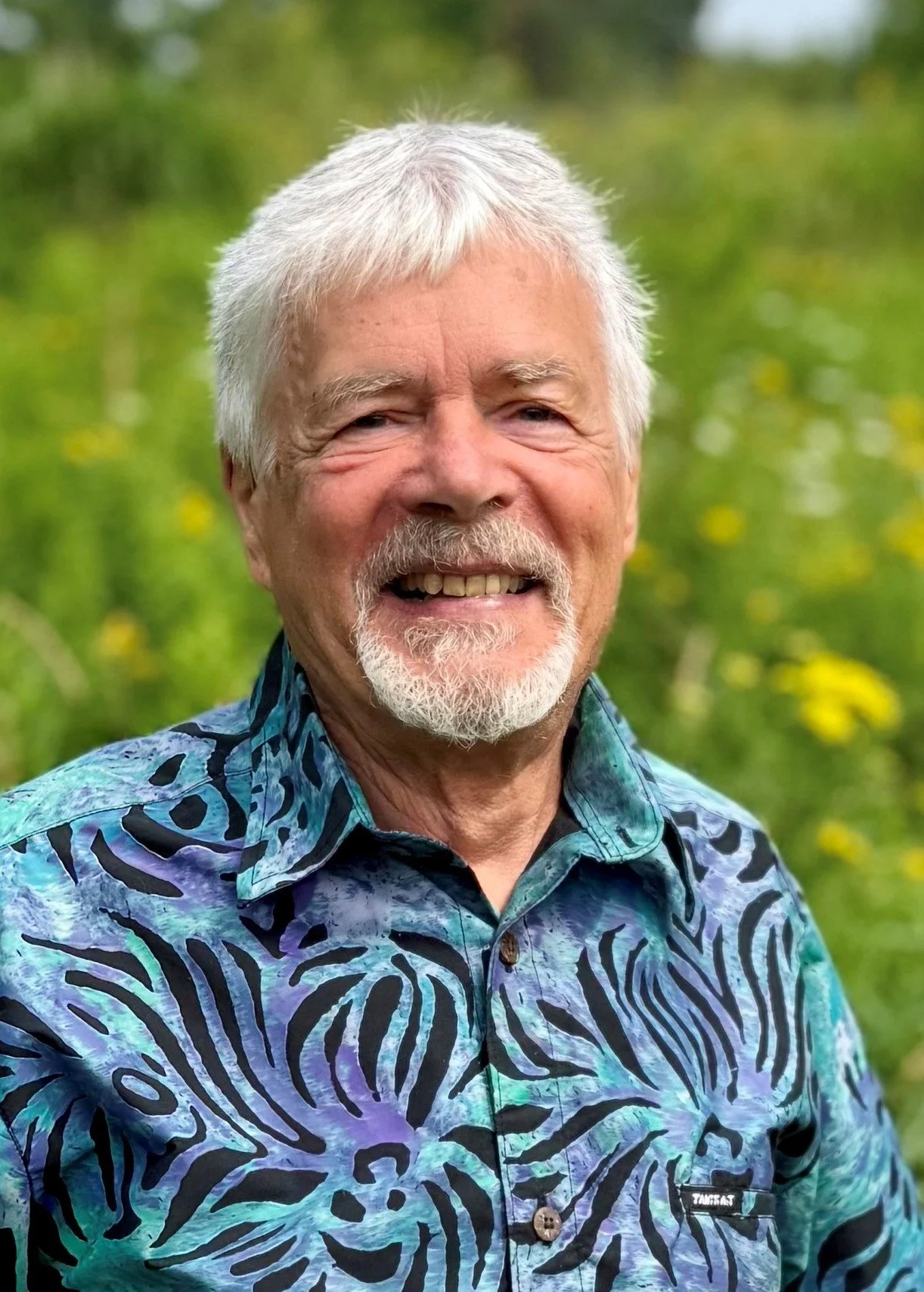
Peter Sale
This is article No. 31 in the current series, Nurturing Our Watersheds, from Muskoka Watershed Council. Its author and editor of the series is Peter Sale, Muskoka resident, Director and former Chair of Muskoka Watershed Council, and an environmental scientist who has witnessed enormous changes in the natural world and knows more change is coming.