

Planning for the seventh generation in Muskoka — is that even possible?
By Peter Sale | July 25th 2026
Indigenous leaders often speak about planning for the seventh generation. This principle is embedded in the culture of the Haudenosaunee Confederacy, one of the world’s oldest participatory democracies.
A nearly identical concept is found among the Anishinaabe, and similar ideas reside in other Indigenous societies around the world.
Planning for the seventh generation requires that we make decisions today, fully mindful of their consequences seven generations into the future.
Seven generations into the future; that’s your great, great, great, great, great, grandchildren’s time — 140 to 210 years into the future. Somewhat longer than the time ‘til the next election, or worse, the next quarter in the business cycle.
Why should we plan for the seventh generation? Because doing so means we come closer to operating in a way that sustains the environment in perpetuity than we do when operating within much shorter time frames. There is wisdom here: seventh generation thinking encourages us to act in ways that do not damage the world of the future.
Sustainable development is defined by the United Nations as development that provides for the needs of people today without compromising the opportunities of people in the future to meet their own needs.
It is a core UN principle governing how we should act to improve the well-being of people today and into the future. It does not specify seven generations, but sustainable development is a body of practice fully in harmony with the seventh generation principle.
Demographic studies currently project that the global human population should stabilize at about 10.3 billion in 2083, 24 per cent more people than today, and then decline slowly.
Ontario’s population, growing relatively quickly, is projected to grow 39 per cent in just the next 20 years, reaching 21.7 million in 2046.
Most of that growth will be urban, and Toronto’s continuing growth in wealth and population is what drives population growth in Muskoka.
We can be confident Muskoka’s population will increase 35-40 per cent between now and 2050. We do not really know how big our population will become by 2100, let alone by 2167, the minimal estimate of seven generations from now.
Still, our challenge is to manage the development that will be necessary to accommodate this growth in ways that ensure our environment remains the thriving, healthy, natural one it is today — a primary engine of our local economy.
We cannot build a wall around our watershed, shutting off population growth. We have to accommodate 40 per cent more of us quite soon and somewhat more later.
To do this and still retain a thriving natural ecosystem, I think it obvious that we must plan for growth that treads more lightly on the land. We must alter how we live here!
There is one tiny additional complication. Climate change is also going to continue for a long time, even if the nations of the world become suddenly responsive to the need to act.
Our smoke-filled skies are the new summer in Muskoka, and climate change impacts our environment in many other ways besides.
This does not mean we are absolved from planning for population growth. It makes the planning more complicated than if population growth was the only challenge, because the environment’s capacity to sustain us may well be altered by climate change!
My point in raising these issues is simple. If we accept that our economy (and our quality of life) depend upon the health of our environment, then we need long-term planning of a complexity never required before just to give our environment a chance to remain healthy.
We cannot prevent climate impacts on Muskoka nor avoid the growth in population we know is coming. Instead, we must modify how we use this place, reducing our impacts.
There is a good path forward, but to be successful, we must change how we relate to the environment, and seek out innovative new ways of living, working and playing within this jewel of a watershed.
This article was first published by MuskokaRegion.com.
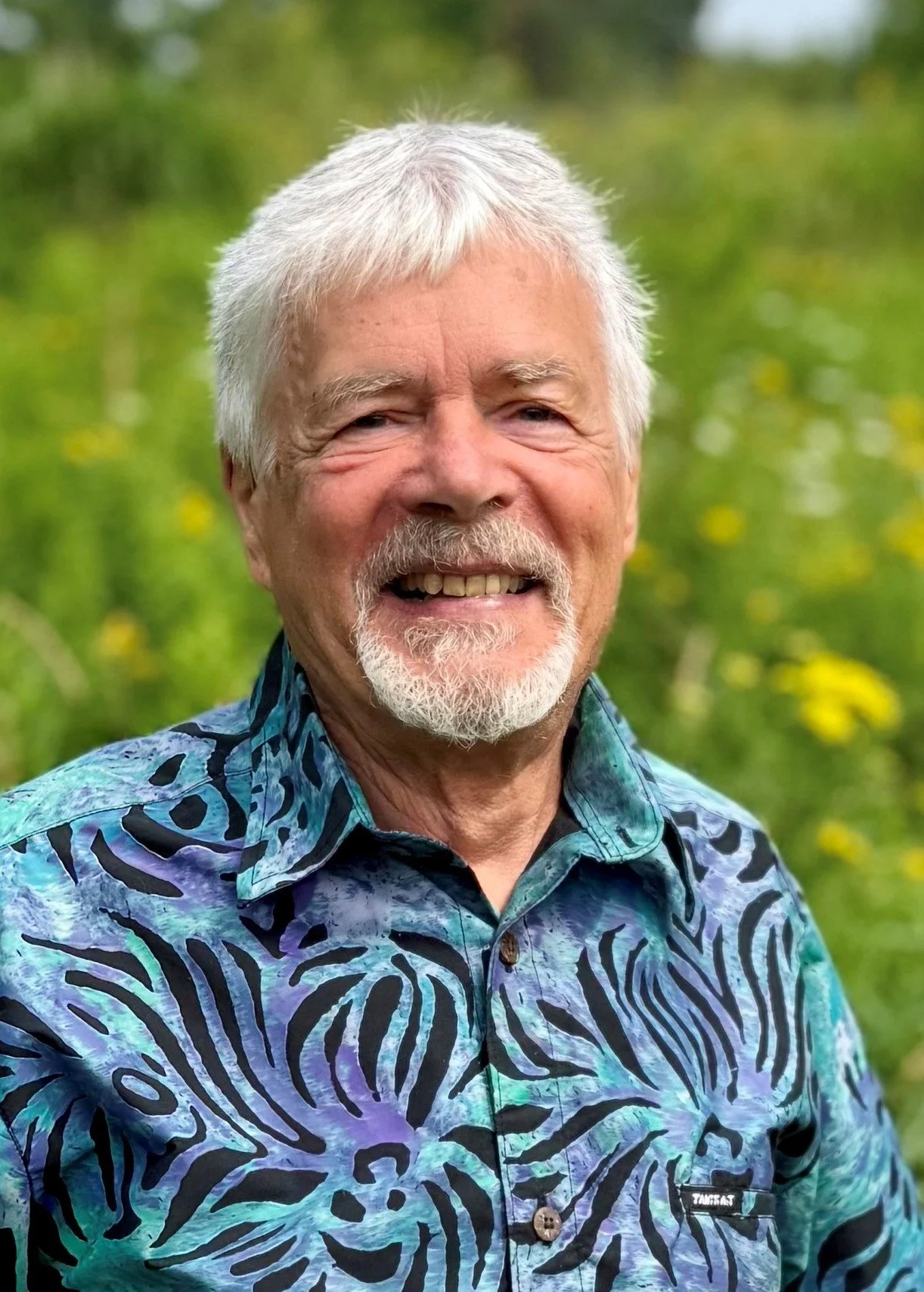
Peter Sale
This is article No. 30 in the current series, Nurturing Our Watersheds, from Muskoka Watershed Council. Its author is Peter Sale, director and a former chair of Muskoka Watershed Council. Peter thanks Kevin Trimble and Richard Lammers for comments on the text. The series is edited by Peter Sale.