

Is development winning over environment in Muskoka?
By Peter Sale | July 3rd 2026
In recent articles, Muskoka Watershed Council has pointed to the delicate balance required between environmental protection and development if we are to sustain environmental resilience, and to how that task is becoming ever more difficult because of rising development pressure plus stresses such as climate change.
Last week, I reported on how Ontario provincial governments, over many years, have reduced their attention to environment and how Canada, as a whole, is a laggard in environmental protection.
Today, let’s start with Bill 100, the Better Regional Governance Act, which became law on May 7. This bill, part of Ontario’s commitment to improve regional governance, requires that future chairs of the District of Muskoka (and seven upper tier municipalities in southern Ontario) be appointed by the Minister of Municipal Affairs and Housing. That appointed chair will also have “strong-mayor” powers, giving them the ability to veto decisions of council, bypass council regulations and so on. There is concern the chair may not always act in Muskoka’s best interests.
But what, you say, does this have to do with environment? Well, everything, because municipalities in this region have traditionally had major responsibility for managing development so that, among other things, the health and resilience of the natural environment is protected. Yes, the environment on which our economy depends. And lest we forget, developing in the middle of a natural environment is fundamentally different to developing on those fields of plowed over clay so typical of southern Ontario.
Bill 100 is just the latest of several laws enacted to “remove red tape” and “streamline” development, a matter of some apparent urgency because of Canada’s severe housing crisis.
I’ll mention three other recent provincial decisions — ones that have more obvious environmental implications. All were outlined in the omnibus Bill 5, widely condemned but enacted into law on June 5, 2025. Bill 5 is named the Protect Ontario by Unleashing Our Economy Act — supported by the claim that our economy would be stronger if only there were fewer governmental regulations.
The three decisions are a drastic downscaling of the protections for endangered species, a gutting of the protection of wetland habitats and the introduction of special economic zones. Ontario’s Species at Risk Act has now been replaced by the far weaker Species Conservation Act, eliminating protection for any aquatic species or migratory birds, and downscaling the protection of critical wildlife habitat, including wetlands. The new possibility of declaring special economic zones gives the province extraordinary power to waive any and all governmental regulations for a designated area under development.
Do you see the pattern here? Don’t worry about environmental science when it gets in the way of development.
There is a serious housing shortage within Muskoka for people of limited means, and this has huge impacts on our service-heavy local economy. But does this shortage have anything to do with red tape or onerous regulatory impediments to development? I think the shortage may be driven by the simple fact that there is more than enough opportunity to build high-end housing, and far less profit to be made in building affordable housing. We need solutions to real problems, not just imagined ones.
But we also need to nurture our natural environment, and these recent decisions by our provincial government appear to work against that. They pit environment against development when we should be working to achieve the best outcomes for both.
Legislation, of course, is just words on paper until it is used. There is an excellent opportunity now for the province to work with municipalities and others in the Muskoka River watershed to build the integrated environmental management that will best sustain our environment and perhaps bring needed flooding risk relief while ensuring sustainable development. There is a future Muskoka with a vital economy, healthy lifestyles and a resilient natural environment. We can still get there, but will we have support from our provincial government?
This article was first published by MuskokaRegion.com.
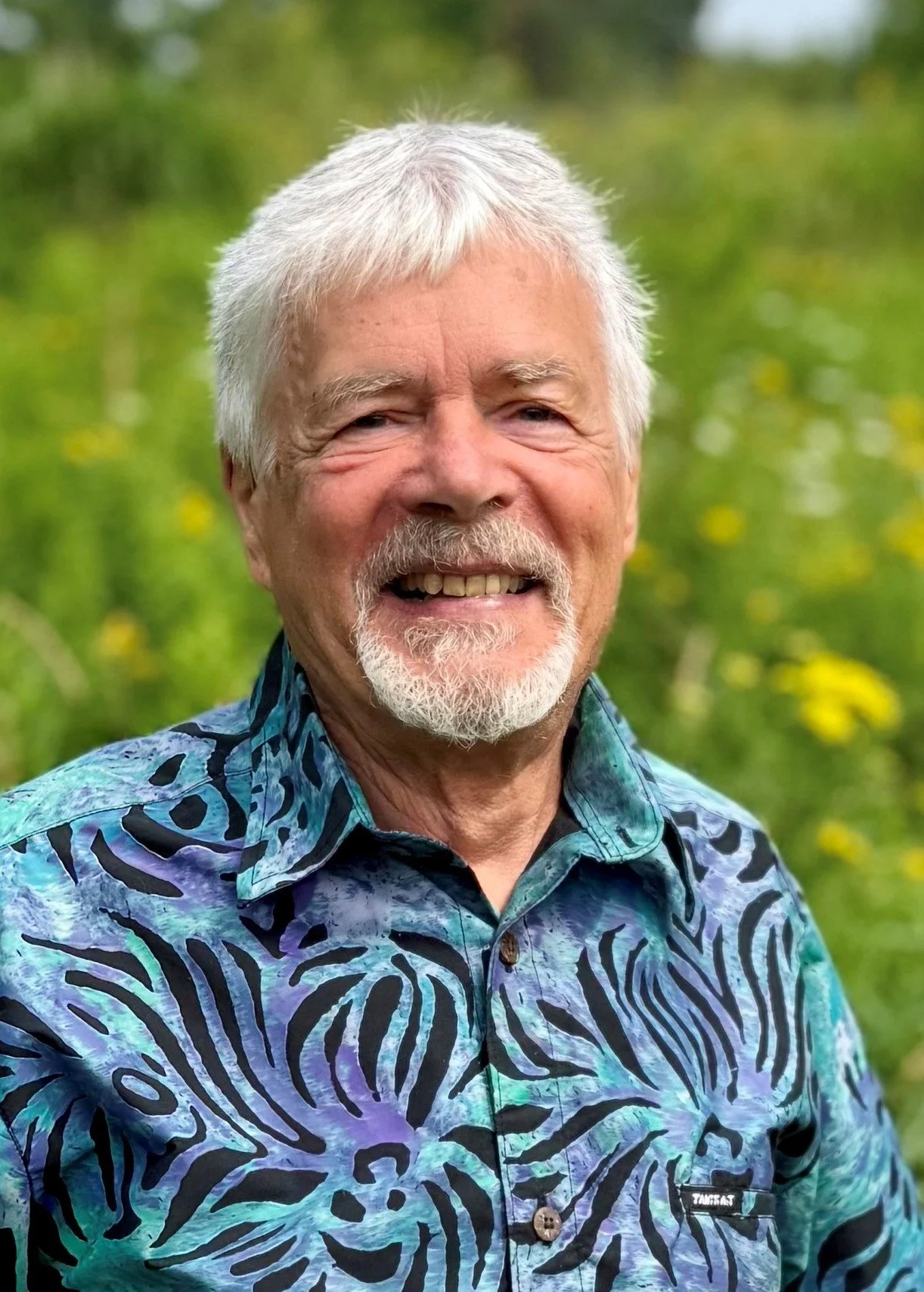
Peter Sale
This is article No. 26 in the current series, Nurturing Our Watersheds, from Muskoka Watershed Council. Its author is Peter Sale, aquatic ecologist and director and a former chair of Muskoka Watershed Council. Peter also edits the series (and asks colleagues to edit his own articles).