

How do we nurture our Muskoka watersheds: Who does the nurturing?
By Peter Sale | June 27th 2026
A few weeks ago, I attended a half-day meeting at Muskoka Discovery Centre.
About 10 environmental, non-governmental organizations (eNGO) were present. They came from across the watershed, with responsibilities for managing, conserving, and nurturing portions of our natural environment.
With shared goals, we gathered to explore working more effectively together to better nurture these lands. After that meeting, I got to thinking about how strange it is that so much of environmental care is left to eNGOs.
A primary way in which we sustain ecological integrity and resilience in a region is to protect portions of it from development and other direct human impacts.
In a classic win-win, such protected areas also provide esthetic and recreational value and better quality of life. Canada is a laggard among advanced nations in environmental conservation, and Ontario performs even less well with less than 11 per cent of its land protected.
In southern Ontario, less than one per cent of land is formally and adequately protected, and the situation is not much better in the Muskoka region.
In 2020, the Ontario government had no plans to protect more land, despite Canada’s commitment to protect 30 per cent of land by 2030. Little has changed since. Our politicians have learned that environmental conservation does not win votes — we seem to prefer tax cuts and new highways.
Muskoka is a world-class tourism destination, replete with seasonal homes and resorts within an exceptional natural environment. Failing to properly sustain that environment is not just short-sighted. It’s unacceptable.
Yet that is the world in which we live.
Fortunately, there are eNGOs. They step up, do their best, demonstrate sustainable approaches, and advocate for responsible behaviour that helps retain environmental resilience.
Across this region, land trusts and conservancies work to protect parcels of land in a natural or near-natural state.
If their parcels fit together into networks of naturalness so much the better. Once acquired, land can be protected from development and perhaps manipulated to favour particular plant and animal species.
The goal is to keep land in a natural state in perpetuity, serving as vital refuges for native flora and fauna, despite continuing development.
Other eNGOs focus on specific issues and on actions that residents can take to improve environmental resilience. For example, Climate Action Muskoka advocates to governments and the community to further the transition toward renewable energy sources.
Friends of the Muskoka Watershed works to alleviate calcium depletion in forests and road salt pollution in our lakes.
Muskoka Watershed Council (MWC) is one of these issue-focused eNGOs. We work with municipalities, other government agencies, the private sector and individuals, to build a more effective, integrated management of our watersheds.
Our latest Watershed Report Card documents the inadequacy of current environmental policy.
Many eNGOs have charitable status; others, such as MWC, are not-for-profits. Virtually all of them depend upon volunteers for the great majority of work they do. Some have no paid staff at all. And still, they do their best.
Because many Muskokans understand the vital economic and esthetic importance of sustaining the resilience of our environment, many are willing to devote volunteer hours to the eNGO of their choice.
But here is the rub. As became abundantly clear in that meeting a few weeks ago, every eNGO present is struggling with too few volunteers and insufficient funding.
There is work that they could do, if they had more people and funding.
Our watersheds cannot nurture themselves in a world in which human activities, especially growing development pressure and climate change, keep changing the rules on how ecosystems are supposed to function.
If we truly value this special place, we have to step up and provide the necessary support to keep our watersheds healthy and resilient.
In the absence of government effort, it is up to us.
So, can you volunteer a couple of hours? Can you offer some money when environmental NGOs ask for your help? And can you help MWC by becoming a watershed champion?
This article was first published by MuskokaRegion.com.
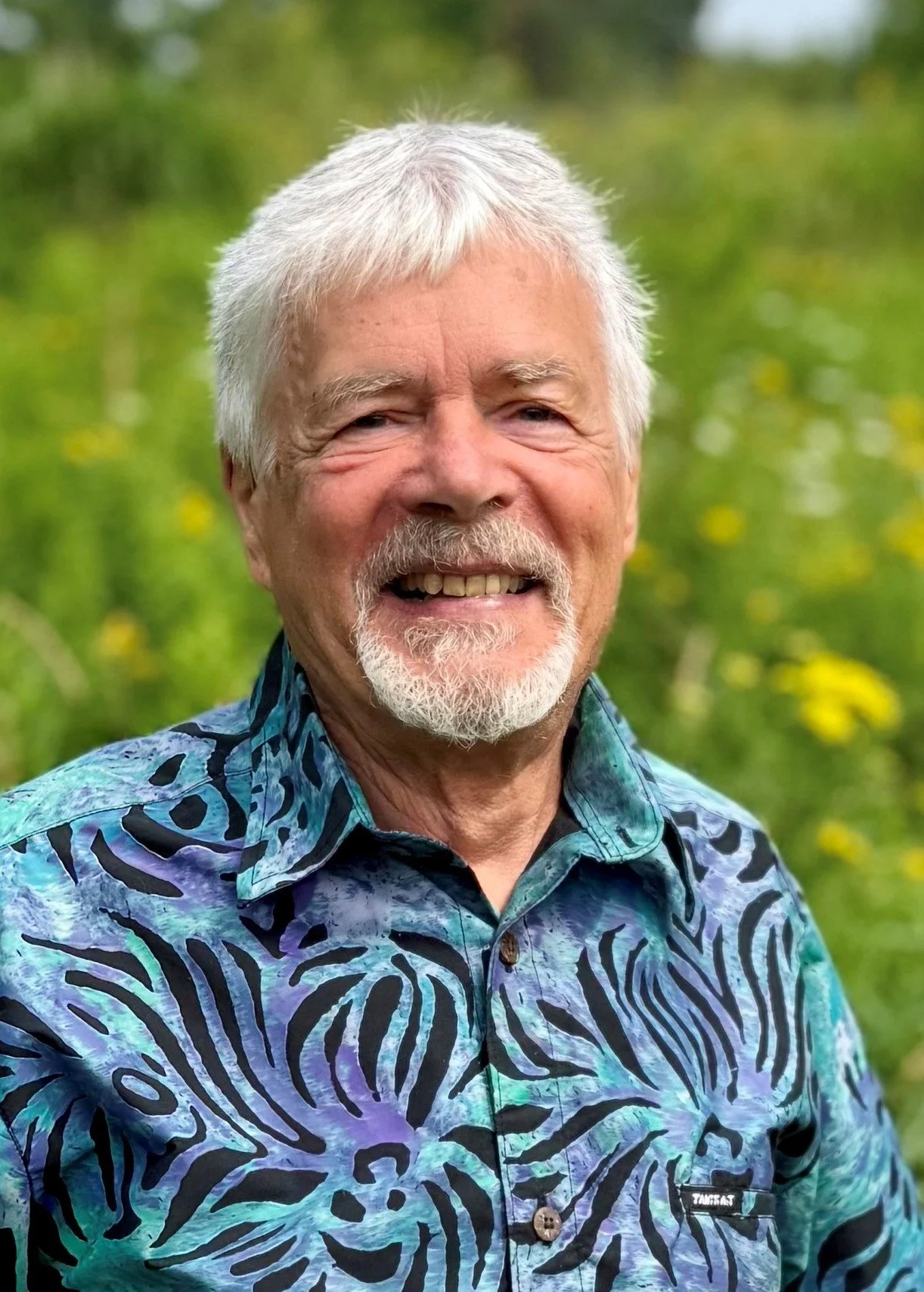
Peter Sale
This is article No. 26 in the current series, Nurturing Our Watersheds, from Muskoka Watershed Council. Its author is Peter Sale, aquatic ecologist and director and a former chair of Muskoka Watershed Council. Peter also edits the series (and asks colleagues to edit his own articles).