

Why reviewing the current water plan is an ‘utter waste of time’
By Kevin Trimble | June 6th 2026
Spring is nearly finished, flood waters have abated, but the buzzing about flood management and what government should do is simmering away. It happens every year. It’s a louder buzz in years like this one when flooding was severe in this region. We at Muskoka Watershed Council (MWC) sympathize with those who suffered property damage or worse. But we don’t agree with the buzz: that flooding should be fixed by revisiting the Muskoka River Water Management Plan. That, by itself, would be an utter waste of time and money with great environmental risk.
MWC has spoken many times of flood risk, its causes, and the context in which it should be addressed. In 2020, we published a white paper on the history of the Muskoka River Water Management Plan and we’ve published numerous short articles here. And yet, the buzz this year still confused “watershed” with “water.”
There have been many misinformed calls from politicians, senior municipal staff, local media and concerned citizens for a review of the Muskoka River Watershed Management Plan, something which does not yet exist. This seemingly innocent confusion of terms highlights a broad misunderstanding of the scope of the Muskoka River Water Management Plan.
The province should act, but not with reactionary treatment of symptoms. Today we are releasing a statement reaffirming our long-held position that a more comprehensive watershed-wide management framework is required to secure our ecological and socio-economic future in the face of climate change, population growth and inadequate land use practices. “Fixing” the Muskoka River Water Management Plan, without the broader considerations of Integrated Watershed Management will put that future at risk.
The Muskoka River Water Management Plan was never intended to prevent or manage flooding. Climate change and poor land use decisions are driving the trend in extreme spring flooding; not the policies or procedures in the Muskoka River Water Management Plan. This trend is ramping up even in watersheds without water management plans, largely because winter patterns of temperature and precipitation are changing.
Watershed management is more comprehensive and includes headwater hydrologic and ecological functions, water quality implications of management actions, socio-economic considerations and broad objectives for sustainability and resiliency.
How we manage our land use, including headwater forests and wetlands, waterfronts and built environments will likely play a major role in future flood risk management. These factors are not included in the Muskoka River Water Management Plan.
Sixteen provincially funded studies, recommended by the Muskoka Watershed Advisory Group, were conducted from 2021-2023. They included operational modifications to the MRWMP that have already been implemented. Structural modifications were also explored but their benefits would be minimal, and the cost would be high.
They pose an unacceptable risk to the socio-economic and ecological future of the watershed. Reports from 12 of these studies can be found on the District of Muskoka website. Updated floodplain mapping has also recently been completed and should guide land use decisions.
The more important advisory group recommendations for broad-scale watershed management have not yet been implemented. Our socio-economic future can only be sustained if integrated approaches include not only the management of spring runoff but also critical biophysical processes that maintain our water quality, our overall ecosystem health and our resilience to short- and long-term environmental change.
Our continued insistence on building in flood-prone areas and/or refusing to consider climate-resilient building types exacerbates the problem and keeps political attention on reactionary flood symptoms rather than on the more critical issue of broad-scale watershed management. This is unhelpful. One informed cottager recently said, “I want the water levels fixed, but I also don’t want to arrive to a water quality cesspool and compromised environment.”
Read the full MWC position statement on our website.
This article was first published by MuskokaRegion.com.
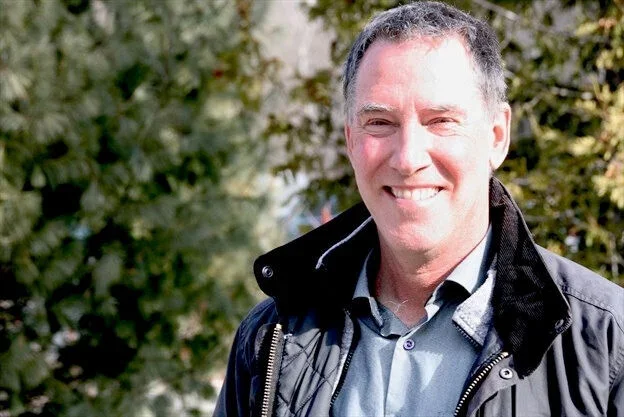
Kevin Trimble
This is article No. 23 in the current series, Nurturing Our Watersheds, from Muskoka Watershed Council. Its author is Kevin Trimble, former member of the Muskoka Watershed Advisory Group, and Director and a former Chair of Muskoka Watershed Council. The series is edited by Peter Sale.