

Nurturing Muskoka’s forests: The hidden backyard lessons every Ontario resident needs to know
By Norman Yan | June 13th 2026
I often sit on our deck on Dill Street this time of year, watching the backyard ecosystem wake up.
Like most healthy ecosystems, it is multilayered. The pines, maple, paper birch, cedar and (still surviving) ash, mature when we moved in 35 years ago, now tower as the sheltering canopy.
The butternut, basswood, hemlock and mountain ash we planted join the dogwood and honeysuckle that were already here as a thriving lower canopy. They harvest much of the remaining sun.
We had to move the Saskatoon berry three times so it could catch enough sun, but it’s now producing a berry crop that delights many songbirds — birds that enjoy the nest boxes, bird baths and feed that we provide.
As you might guess, the gardens are planted with shade tolerant plants — especially ferns, Astilbe and hosta. I love the maidenhair and Japanese painted ferns, and it looks like the royal fern we planted near the downspout may get enough water to thrive.
On the ground, the white trillium, wake robin and blood root have now bloomed, nicely complementing the azaleas and rhodos that are a delight.
The grass itself is now speckled with blue and white violets and forget-me-nots, and I won’t mow until they are done. So I relax, content, on the back deck, and think about the lessons our backyard offers about nurturing our forested landscape in Muskoka.
About three quarters of Muskoka’s visible landscape is forest cover, natural but not “untouched” by human hands. We clear cut the first growth giants a century ago, but forestry operations are now much more selective.
This change in practice is welcome, because clear cutting has many negative consequences. Obvious impacts are increased erosion, worsening spring floods, reduced carbon capture, and damage to forest life.
But forest clearing has other, less widely recognized negative consequences — increasing wind speeds, warming the air, increasing the risk of lake algal blooms and reducing property values. I believe these four consequences provide ample reasons to nurture our forested landscape.
Forests reduce ground level wind speed. If you visited the blasted Sudbury landscape 50 years ago, you witnessed that effect. With no buffering forest cover, winds blasted over the land at speeds equal to those over the open waters of the Great Lakes, with no benefit other than to wind farms. (There’s good reason not to put wind farms in a forest!).
With the planting and subsequent growth of more than 10 million trees in Sudbury between the 1970s and 2000, average wind speeds dropped by 35 per cent, bringing them back into line with other northern Ontario sites
Maintaining forested landscapes cools the air. It’s not just the shade, although that surely helps, nor the photosynthesis that also helps as it converts solar energy into sugar. The main mechanism is evapotranspiration.
In Muskoka, evapotranspiration returns about 50 per cent of incoming precipitation to the atmosphere, consuming a lot of heat in the process. Every year about a 25-cm depth of water is converted to water vapour from every square metre of forested Muskoka land. Its conversion from liquid to water vapour consumes about 135 Kcal of energy per square metre per year — a lot of cooling.
And then there’s algal blooms.
Precipitation contains on average twice the phosphorus levels of healthy Muskoka lakes. Forests soak up half of it and also reduce erosion of nutrients to our lakes. When forests are cleared, more nutrients flush into lakes increasing the risk of blooms.
Finally, there’s the effect of forested landscapes on residential property values.
Treed landscapes cool and clean the air, reduce heating costs, contribute to mental health and recreation, and capture CO2. As a result, Landscape Ontario estimates that trees increase residential property values by three to 15 per cent.
Pretty good reasons to nurture our forest, and my backyard as well.
This article was first published by MuskokaRegion.com.
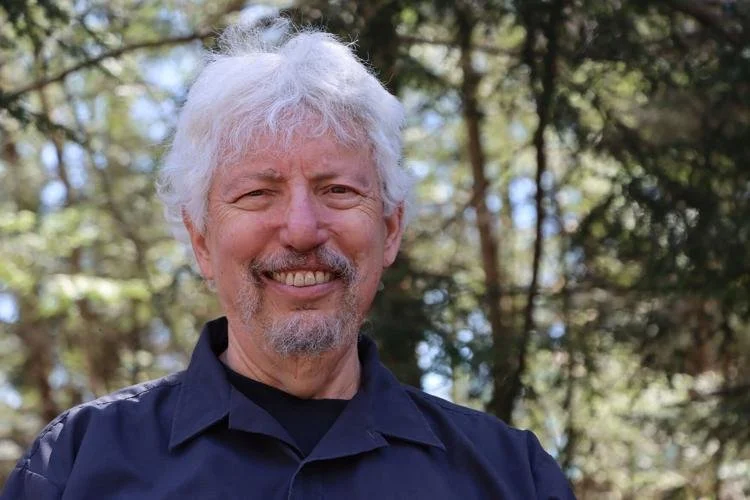
Norman Yan
This is article No. 24 in the current series, Nurturing Our Watersheds, from Muskoka Watershed Council. Its author is Norman Yan, an environmental scientist, a good friend to Muskoka Watershed Council, and founding chair of Friends of the Muskoka Watershed. The series is edited by Peter Sale.