

By Peter Sale | October 31st 2026
Over past months, Muskoka Watershed Council has worked to bring improved environmental management to Muskoka because available evidence shows our present ways of caring for the environment are no longer adequate.
From the start, MWC has emphasized that we propose bringing integrated watershed management here using a collaborative co-management approach rather than the creation of a whole new layer of government bureaucracy.
Collaborative co-management has been successful elsewhere in Canada and is more cost-effective. As well, true collaboration achieves the buy-in from different sectors of the community that makes management more acceptable. Far better that we all participate in building the management regime we want than that a new government bureaucracy dictates what shall now be done. Because ultimately, it is the acceptance of a management regime by the community that makes it successful. Environmental management, after all, is 90 per cent the regulation of our own behaviour so that our actions have minimal negative impact on the environment we value.
Real collaboration is challenging. I am not talking about a management agency or private industry developing a set of policies and procedures and then holding some public meetings to present them to the community. That is not collaboration — it is just government or private industry telling us what they are going to do. This is nicer than just doing without telling!
But collaboration requires all sectors of the community to be engaged and have the opportunity to have their perspectives presented and listened to as policies are being developed. This real collaboration takes time and effort — but in the long run, it is definitely worth doing.
Here in Muskoka, we must first build a consensus that new, more sophisticated management policy is necessary. After all, our environment looks pretty damn good and is certainly of enviable quality. Why does MWC say we need a completely new way of managing it?
One of the most important tasks MWC has done since its founding in 2001 has been to produce Muskoka Watershed Report Cards. We have produced six report cards since the first in 2004 and are now committed to producing one every five years. The most recent was in 2023, and the next will appear in 2028.
A watershed report card is just like the report you might receive from your family doctor following an annual physical (if your family doctor still did annual physicals) – an assessment of the current performance or condition of that watershed. MWC makes that assessment by evaluating the many different sets of environmental monitoring data collected by municipalities, government ministries, lake associations, and other non-governmental bodies. Think of the environmental data as blood pressure, heart rate, temperature, body mass index, cholesterol and so on which inform on health of the environment.
Our earliest report cards were relatively simple affairs, but they have evolved with each iteration. The most recent one, issued in 2023, also looked for trends in the data. We discovered that our environment was becoming degraded in a number of ways, despite the considerable efforts of all those who work conscientiously to apply current environmental policies. This discovery leads logically to our current claim that new, more effective management is needed if we want to retain the high quality, healthy environment we now enjoy.
Now we need to bring the community on board, build a coalition of the willing, and begin the task of deciding what kind of environment we want in the future. Together.
MWC is holding the fourth in our series of public meetings at the Foley Community Centre, in Seguin Township, on Nov. 4, starting at 6:30 p.m. If you value our environment, are curious or want to participate in this journey, register and attend. It’s free. We’d like to meet you.
This article was first published by MuskokaRegion.com.
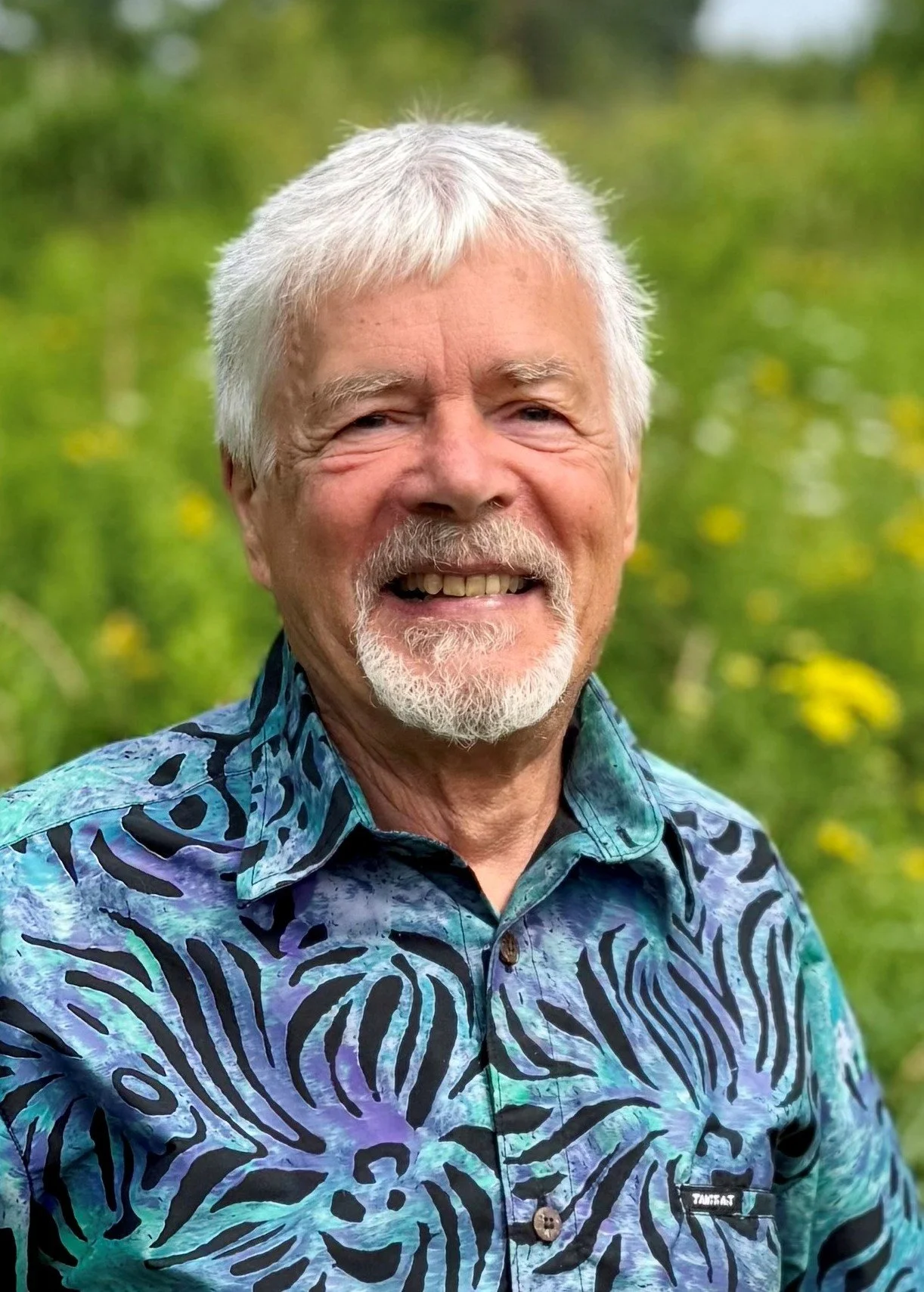
Peter Sale
This is article No. 43 in the current series, Nurturing Our Watersheds, from Muskoka Watershed Council. Its author is Peter Sale, aquatic ecologist and a Director and former Chair of Muskoka Watershed Council. Peter also edits the series, and thanks Kaitlyn Horton and Jared Jylha for comments on this article.