

Climate, zoning, grandfathering and flooding in Muskoka
By Peter Sale | October 24th 2026
I read in the New York Times that the earth’s rotation has been speeding up infinitesimally because of climate change (among other things). The warming since 2000 has melted glaciers extensively and the meltwater has flowed to lower elevations. When a spinning figure skater pulls in his arms tight to his body, or raises them high over her head, thereby moving body mass (in the arms) closer to the centre of rotation, his or her rate of rotation increases. In much the same way as this mass of meltwater flows closer to the centre of the planet, the planet’s rotation speeds up.
The speeding up of Earth’s rotation is unlikely to have direct effects upon Muskoka’s environment but it will mean that our clocks will no longer be synchronized to Earth’s rotation and our time will be late with respect to the planet’s time. Until we introduce a correction. Our extra day in February every four years corrects for the fact that the real year is not exactly 365 days long. Every now and then we will need a leap second or so to correct for this speeding up — at least, we will have to do this if we want our clocks and calendars to continue to have the summer solstice fall on June 20 or 21.
I tell you this to show the wide-ranging effects of climate change, but also to make clear the difference between reality — the pattern of rotation of the planet — and our societal decisions — that we divide the time taken for one rotation of the planet into 24 hours. Each of the 60 minutes, that make up an hour, contain 60 seconds. Our decisions are real decisions, but they are based on human invention. And this brings me to waterfront living in Muskoka, to grandfathering, and to flooding. Am I making you dizzy?
By law, land in Muskoka is zoned in particular ways to allow certain uses and disallow others. Many zoning regulations exist to mitigate our impacts on environment. For example, our municipalities zone much of our lakeshore as waterfront residential land with special building regulations to protect the lake. For example, buildings must be set back from the lake edge by a specified amount — typically 20 to 30 metres.
Zoning regulations, like our decisions on how to divide time, are societal decisions. They are legal requirements, but not immutable parts of the physical, chemical or biological nature of our world. We created them, and we can change them. In Ontario, when zoning regulations are changed, they are grandfathered for existing buildings. If your municipality decides to extend the setback to 45 metres, your home, with its lakeside walls at 30 metres does not have to be torn down or moved — it continues legally under the former, now grandfathered, rules.
Now, why might zoning regulations be altered? Because new, better information indicates the former rules were inadequate or inappropriate.
In Muskoka, we now have new, better information on lakeshore elevation relative to lake level — the jargon term is floodplain mapping. Due mostly to work done in 2022 to 2023, municipalities have much better, site-specific information on flood risk. I would have thought our community would want them to use this better information to provide guidance for new construction around our lakes. After all, we know one consequence of climate change is that severe spring floods are going to be more likely. Better to avoid building on land that will be at greater risk.
And yet, it seems that ignoring the difference between the reality of a changing climate, and the easily adjustable societal decisions on zoning, some of us would prefer to retain outdated regulations! Continuing to build in flood-prone areas worsens flooding risk and keeps political attention on flood damage rather than on the more critical issue of broad-scale watershed management.
This article was first published by MuskokaRegion.com.
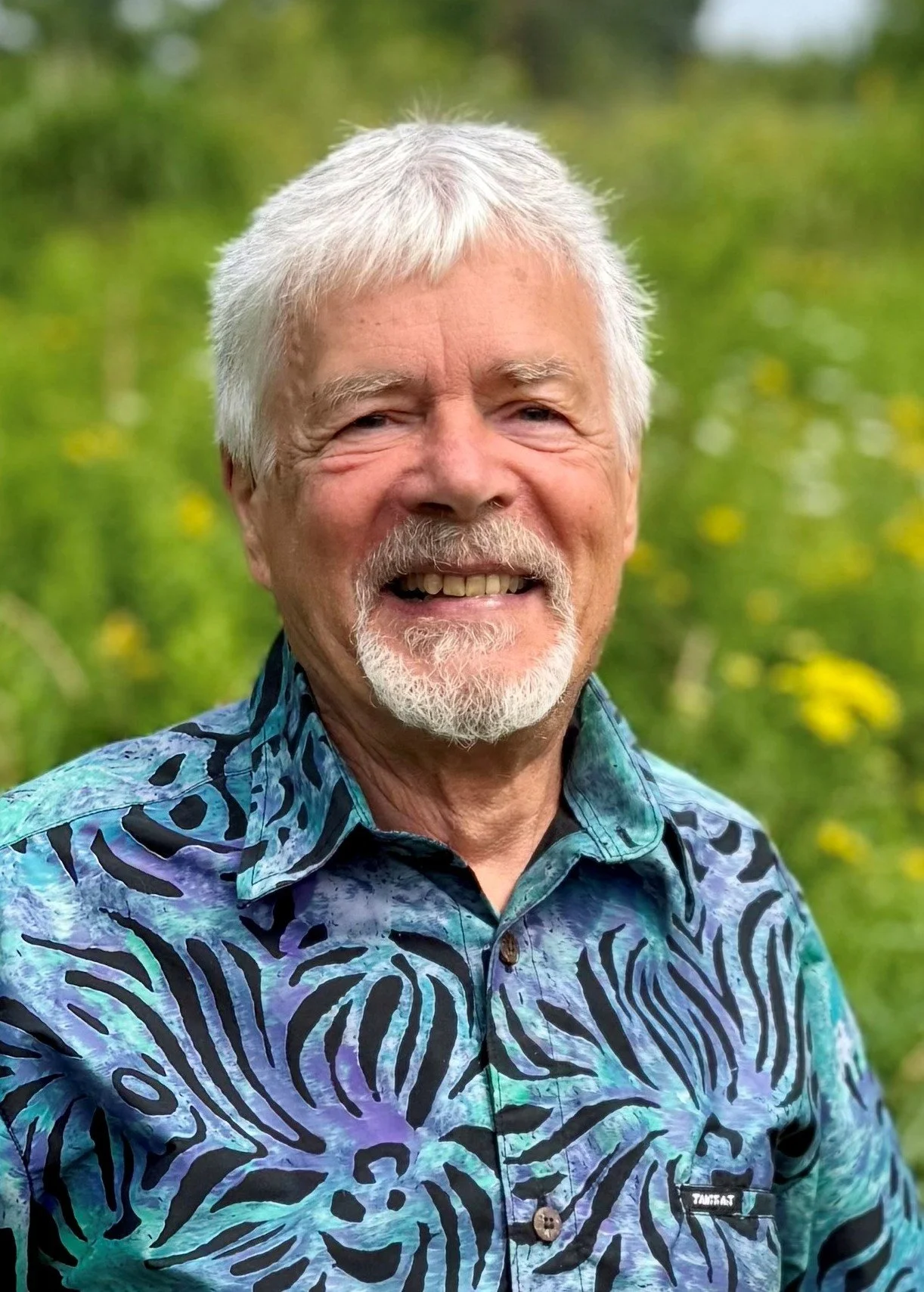
Peter Sale
This is article No. 42 in the current series, Nurturing Our Watersheds, from Muskoka Watershed Council. Its author is Peter Sale, aquatic ecologist and a director and former chair of Muskoka Watershed Council. The series is also edited by Peter, who thanks Kevin Trimble for comments on this article.