

Beyond the Blaze: Why Muskoka Needs to Manage Humans, Not the Woods
By Madison Menard | Saturday, January 17, 2026
As the smell of woodsmoke drifts across our lakes, a familiar anxiety settles over Muskoka. Our dense stands of white pine and hemlock are no longer just scenery, but potential fuel. Ontario’s record-breaking wildfire seasons of 2023 through 2025 have fundamentally shifted the landscape of risk.
In 2023, wildfire cost the Ontario economy over $1 billion in healthcare costs and lost productivity, and the economic and health ripples are right at our docks. The smoke marks a growing crisis, but in looking for solutions, we must be honest about the cause. Nature doesn’t need us to organize it, but our own human behavior, including where and how we live, desperately needs a dose of reality.
For decades, we have operated under the assumption that we can "manage" the forest into safety. We believed that if we could engineer the landscape or suppress every natural spark, we could prevent disaster. Yet, modern science reveals that forests are self-organizing networks shaped by their own cycles of disturbance and renewal. When we try to force these systems to conform to our convenience, primarily through total fire suppression, we make them less resilient by allowing fuels to accumulate unnaturally. The result is the high-severity "megafires" that threaten us today. As the Canadian Climate Institute points out, the true "management" problem isn't the forest's behavior; it is our own.
At present, the primary wildfire risk factors are our history of fire suppression and our preference for living within the Wildland-Urban Interface (WUI). In Muskoka, we don't just visit the woods; we intersperse our homes, cottages, and infrastructure directly with the fuel. Living this way brings inherent risks that simply would not exist otherwise. Acknowledging that this risk is self-inflicted is a necessary mark of maturity. If we choose to live among the trees, we must accept the responsibility of that proximity rather than expecting the forest to stop being a forest for our benefit.
This brings us to the question of how we inhabit this space. The Canadian government promotes the "FireSmart" program, but we must ask ourselves how far we are willing to go. Full FireSmart compliance requires a substantial stripping back of the forest around our buildings, removing the very trees and "wild" feel that drew us to Muskoka in the first place. Are we prepared to thin out a thirty-meter buffer around our cottages? If we only partially comply, swapping a stone wall for a cedar hedge or using a nonflammable roof, we may only nibble at the edges of the risk. We cannot have it both ways; we cannot live deep in a flammable landscape and then act surprised when it burns.
Part of managing ourselves involves a new level of ecological humility regarding the landscape that remains. We cannot "fire-proof" our homes without destroying the forest character we love, but we can make our homes more fire-resistant and also protect the natural features that help the land manage itself. Wetlands are natural firebreaks and sponges, retaining moisture that keeps the surrounding vegetation less volatile. Protecting wetlands, along with undisturbed old-growth patches that maintain complex, moisture-retaining micro-climates, is far more effective than trying to redesign the entire ecosystem to suit human convenience.
Ultimately, the smoke drifting into our bays is a call to change our relationship with the land. We can use less flammable products for roofing and siding of buildings, become far more responsible about lighting fires, and help Nature by reducing fuel, and sustaining wetlands and old-growth. Recognizing that nature manages itself is not a retreat from responsibility; it is the most informed and honest way to inhabit the only Muskoka we have.
This article was first published by MuskokaRegion.com
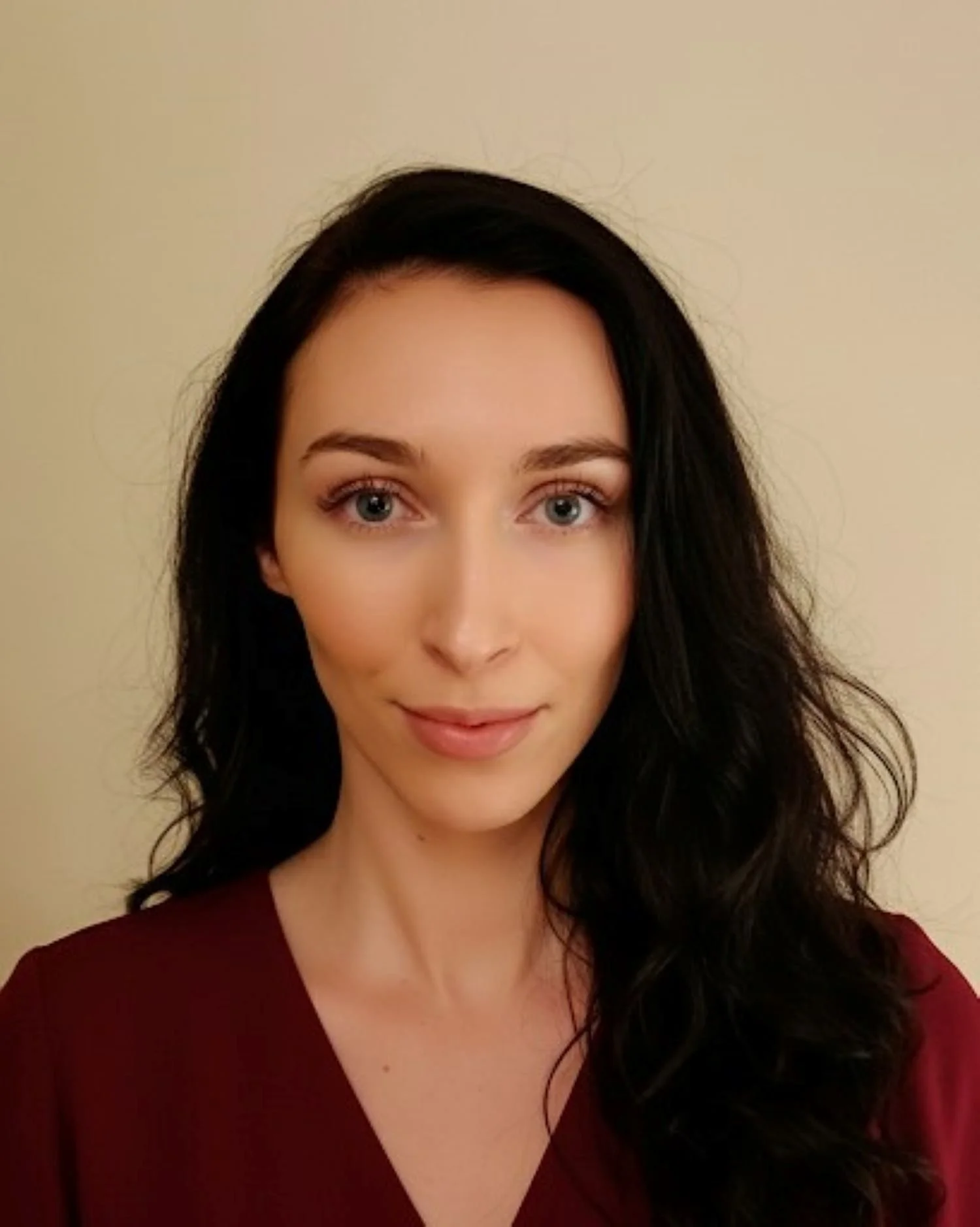
Madison Menard
This is article No. 3 in the current series, Nurturing Our Watersheds, from Muskoka Watershed Council. Its author is Madison Menard, member of Muskoka Watershed Council, Fleming College graduate, aquatic science nerd and nature enthusiast who cares deeply about Muskoka. The series is edited by Peter Sale.