

Why does Muskoka need better environmental management now?
By Peter Sale | Saturday, January 31, 2026
Muskoka Watershed Council has been advocating for a new form of more integrated environmental management in this region since 2020. But why now? Why is the old way of doing things suddenly no longer sufficient? Why are we pushing for change?
Because everything has changed!
We now live in a very different world from that of the 1950s. It is a world unlike any the human species has experienced. Our world is warming and will continue to warm at least through this century, and the rate of warming is greater than at any time in the last 55 million years. All because we have been pumping large quantities of carbon dioxide and other greenhouse gases into the atmosphere.
In March 1958, when David Keeling of Scripps Institution of Oceanography first placed instruments at the summit of Mauna Loa in Hawaii, there were 316 parts per million of CO2 in the atmosphere. Monitoring has been continuous and in December 2025 there were 427 ppm of CO2 there — a 35 per cent increase.
This enormous change in the composition of our atmosphere is caused by us as we dump greenhouse gases every year. Despite enormous strides in developing green sources of energy, the global economy and our energy use have grown so quickly that our emissions of greenhouse gases continue to rise.
Agriculture and civilization developed during 8,000 years when the planet’s atmosphere and climate were remarkably stable. We learned we could rely on spring rains to germinate our seeds. More importantly, nature also relied upon the predictable climate: breeding seasons were timed to coincide with a flush of food for the young; behaviours like hibernation evolved to get species through long winters.
Now with emissions-driven warming comes a host of other climatic changes, and the changing climate stresses ecosystems that function well under the conditions of the past. There is no guarantee all species will be able to cope, or that critically important species and relationships will be able to persist under conditions of the future.
On top of all that, in this part of Ontario, our population is growing substantially, and our individual impacts on the environment are also growing. Our magnificent natural environment struggles to deal with a changing climate while also dealing with the increasing stresses we are causing.
Our latest Muskoka Watershed Report Card, released in 2023, documented several detrimental changes — changes that may already be having serious consequences for the resilience of our watersheds. Some, such as the lengthening open water growing seasons on our lakes, were direct consequences of climate change. Others, like algae blooms, might be climate related. And others, such as growing salt pollution in many lakes, are a direct consequence of local road salt use.
The report card also made clear these documented changes are unlikely to be the only ones. Nobody is carefully monitoring effects of the increasing level of development of our lakefront properties, for example, but it is unlikely that this intensified use has no environmental impacts.
Under these circumstances, we urgently need a more proactive program of environmental management than is currently in place. We need to be monitoring for evidence of environmental stress and of environmental changes that are not yet sufficient to create obvious damage. We need to monitor at spatial scales and using boundaries that make sense ecologically rather than by one municipality at a time.
Monitoring data should be used in organized programs of adaptive management — introducing actions to ameliorate stresses and testing for their effectiveness in a continuous program of nurturing the ecological system on which we and our economy depend.
Otherwise, we will fail to detect deleterious changes until they are large, obvious, and far more difficult or even impossible to ameliorate. Yes, this is integrated watershed management and we need it now!
The good news is that municipal governments across this region are now working to make needed changes. It is time for our community to climb on board this train because we all need to be engaged.
This article was first published by MuskokaRegion.com
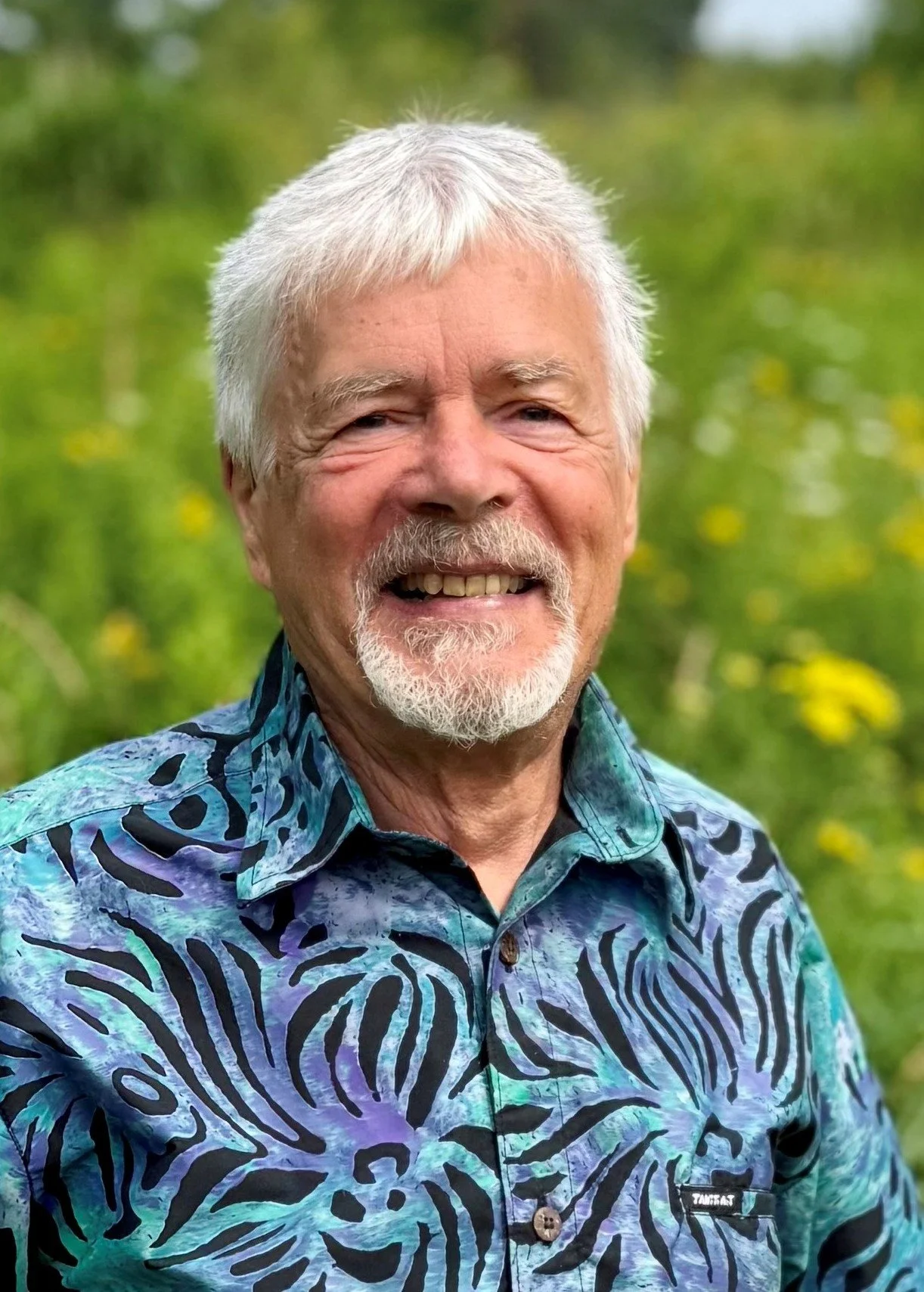
Peter Sale
This is article No. 5 in the current series, Nurturing Our Watersheds, from Muskoka Watershed Council. Its author and editor of the series is Peter Sale, director and past chair of Muskoka Watershed Council, and an environmental scientist who believes we can do even better than we do at nurturing our watersheds.