

Managing for ecological resilience in Muskoka
By Peter Sale | Saturday, February 28th, 2026
Members of Muskoka Watershed Council talk about the need to manage for ecological resilience. What does that mean, and how is it different from what we already do? Resilience is the capacity of an ecosystem to respond to the stresses placed upon it and maintain its functions. An ecosystem with high resilience is less easily altered by stresses applied and recovers more rapidly when it is altered than one with low resilience. Healthy ecosystems are ones with high resilience, and managing for resilience seeks to retain or restore ecosystem health.
In recent years, environmental management has been done responsibly in Muskoka, and the relatively high quality of our natural environment is the result. We could have done much worse. But the management regimes we have in place are far from the best they could be.
We have been managing to correct perceived environmental problems one at a time rather than managing to maintain optimum ecosystem health. We have acted like a medical team that repairs broken bones, adjusts poor cardiac performance, ameliorates diabetic symptoms once each condition appears; not like one that monitors many aspects of performance and makes tiny adjustments to keep performance optimum. Or, if you prefer a different metaphor, we are like the mechanic who repairs the car when it breaks down, instead of carrying out a program of continuous preventive maintenance so that it does not break down. Managing for ecological resilience is akin to the close monitoring and modification of human health or a program of preventive maintenance for a car.
Now, why is it important that we begin to manage for ecological resilience? The short answer is that we live in a new, rapidly changing world. In contrast to the situation over the past 10,000 years when environmental conditions were largely stable, our world is now a place that is changing substantially in many different ways and changing much more rapidly than at any time in the last two million years. (For example, warming of a few degrees in temperature, which took thousands of years following each successive glacial cycle during the Pleistocene, is now occurring in less than 150 years.)
And it is not just temperature. In our new, rapidly changing world, in which climate is changing in multiple ways, biodiversity also is being lost, invasive species are arriving, and the environmental stresses due to development are growing larger year by year. We can no longer afford to wait for environmental problems to become acute before we deal with them. To continue this approach would be to enter a game of whack-a-mole in which we (and the environment) would never win.
We need a more sophisticated process that monitors and fine-tunes ecosystem health, chiefly by sustaining or enhancing resilience while also constraining our own environmentally damaging activities. Otherwise, our environment will continue to degrade, in multiple different ways, and we will be forever playing catch-up.
How do we introduce management for ecological resilience? It begins by managing land and water using natural ecological boundaries and at ecologically appropriate scales instead of managing using artificial boundaries drawn on a map when municipalities were created. Then we introduce a management program that is built upon continuous monitoring of ecosystem health in multiple ways — water quality, water flow rate, forest growth, nutrient flows, status of populations of major species, and so on — and continuous actions to correct for small changes detected by the monitoring. This will require the equivalent of that mechanic performing preventive maintenance on your car.
That equivalent is a scientifically trained team that monitors, identifies needed remedial action and advises the policy makers on actions to take to maintain the ecological resilience of our environment. Ambitious? Yes! Worth putting in place? Definitely — if we want Muskoka’s environment to remain first class. This will be nurturing our environment at a whole new level.
This article was first published by MuskokaRegion.com.
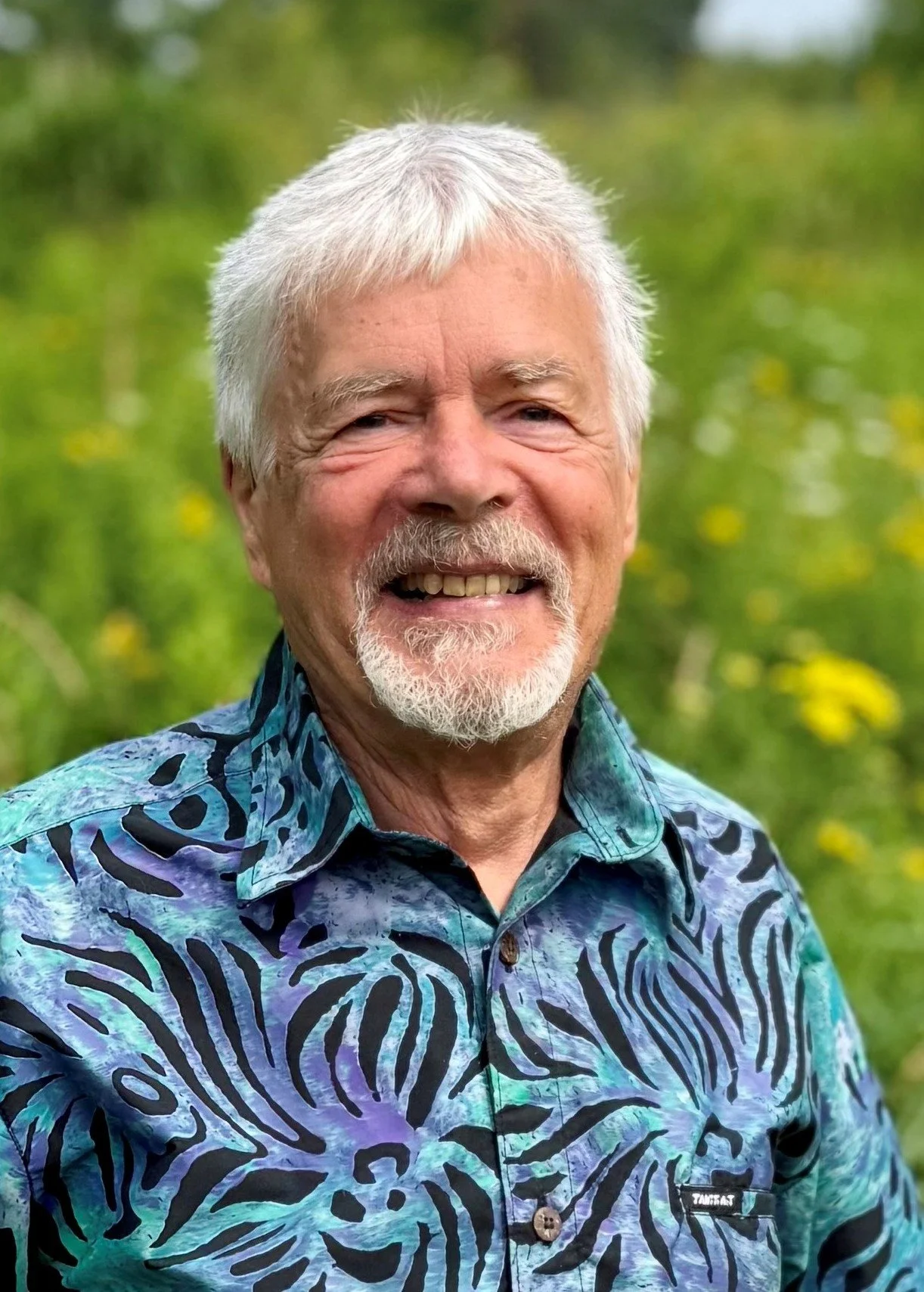
Peter Sale
This is article No. 9 in the current series, Nurturing Our Watersheds, from Muskoka Watershed Council. Its author, and editor of the series, is Peter Sale, former chair and a director of Muskoka Watershed Council, aquatic ecologist and retired Professor, and someone who loves Muskoka deeply.