

Why does Muskoka need a watershed management plan?
By Peter Sale | September 5th 2026
What is a watershed management plan and why does this region need one?
If you have been following this series, you will know that we need to take better care of our environment. You will know that management needs to be built using sensible ecological boundaries instead of artificial municipal boundaries.
You will know that the Muskoka River watershed, an area nearly the size of Prince Edward Island, is a natural ecological entity, a complex, dynamic, living, vastly interconnected system that we are part of. You will know that despite valiant efforts, this watershed is slowly degrading in many ways, largely because of growing development pressure and climate change.
And you will know that Muskoka Watershed Council (MWC) is working hard to bring enhanced, integrated, more effective management to this region.
Environmental management is a fancy term for nurturing our natural environment, and we all have a role to play in doing this. But while we have mentioned watershed management plans, we have not said much about them.
A watershed management plan is exactly that, a plan for how to nurture a watershed. It is applied to the natural ecological entity we call a watershed and is designed to do a number of things that help define management goals and objectives, co-ordinate management action, and monitor effectiveness in reaching those goals.
Watershed plans begin with a recognition that watersheds perform functions that communities do not have to do. Nor do communities have to pay the cost of doing them
Watersheds provide valuable ecosystem services and support economic, physical, and mental well-being (e.g., spiritual, esthetic and cultural) — benefits that are often overlooked but essential to human welfare.
In Muskoka, we understand how closely our economy is integrated with our natural environment.
Examples of ecosystem services provided by healthy watersheds include nutrient cycling, carbon storage, erosion/sedimentation control, soil formation, water storage, water filtration from point and nonpoint sources, drought resiliency, flood control and stormwater management.
Healthy watersheds also increase biodiversity, provide wildlife habitat and movement corridors, and supply food, timber and recreation. Healthy watersheds can also reduce vulnerability to invasive species and to the effects of climate change.
Watershed plans are usually created to identify a shared vision for a watershed, the ecological risks we must address to achieve that vision, and actions we can take to ensure the ecosystem gets what it needs.
The plan integrates not only water management, but also water quality, wetland and forest processes, along with ecological services for communities. Watershed plans assess ecological features, functions and processes, and identify long-term stressors such as development pressure and climate change.
Plans help develop management approaches and cost-effective solutions, and guide resource management and planning decisions.
Putting it simply, faced with the challenge of caring for something as complex as a watershed ecosystem, building a watershed plan is a necessary step in setting targets and goals.
These are needed to help co-ordinate the many management actions by businesses, government, NGOs and individual landowners that are required to support both the environmental well-being of the watershed and the social and economic viability of its communities.
What kind of a future Muskoka do we want?
How can we reduce the apparently growing risk of serious flooding? How can we fireproof, or at least reduce the severity of wildfires, while retaining our natural environment and our quality of life?
How do we protect our lakes from damage due to road salt? How can we improve the health of our forests, thereby restoring the capacity of our trees to keep water from flowing rapidly into rivers?
These seemingly separate questions are all interrelated and they are more complicated than they may appear. These are the sort of questions that a watershed management plan is designed to help answer.
If you’d like to help us build a plan for the Muskoka River Watershed, MWC will welcome your assistance. Stay tuned.
This article was first published by MuskokaRegion.com.
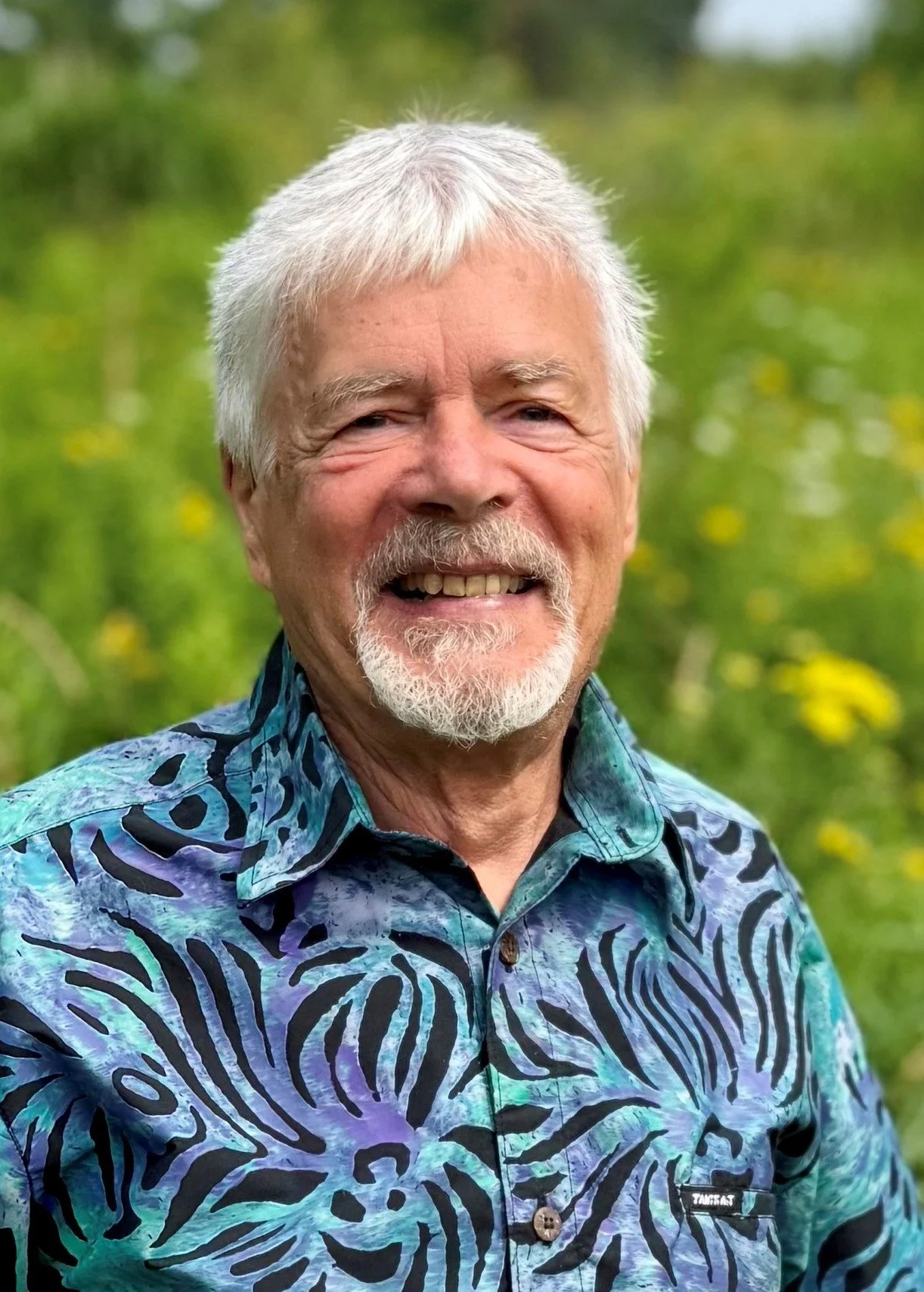
Peter Sale
This is article No.35 in the current series, Nurturing Our Watersheds, from Muskoka Watershed Council. Its author is Peter Sale, aquatic ecologist, director of Muskoka Watershed Council, and a firm believer in the rights of the watershed. Peter also edits the series, and thanks Kevin Trimble and Don Smith for comments on this article.