

What causes flooding in Muskoka? The factors behind Ontario’s ‘spring struggle’
By Peter Sale | May 16th 2026
We live within a complex, dynamic, living ecosystem whose many parts interact in complex ways. Yet we persist in asking simple questions, assuming there will be simple answers. There seldom are, as Muskoka’s perennial struggles with flooding confirm.
Our worst floods come in the spring, when accumulated snow melts and finds its way into the rivers and lakes. Whether that melting leads to a damaging flood depends on far more than the amount of snow accumulated. What causes flooding in the Muskoka River Watershed? There are many different causes, some now changing because of factors seemingly unrelated to flooding.
Our floods start with precipitation, whether falling as rain or snow, but a lot happens between that moment and the flood. Sublimation and/or evaporation from the accumulated snow shunts some water vapour straight back into the atmosphere. In winter, the remaining snow adds to an accumulating snowpack that will melt as weather warms. The depth of that snowpack, and the amount of water held within it, depends on how much snow falls that winter. But it also depends on whether it is a winter marked by sunshine conducive to evaporation or frequent warmer spells when some snow melts. Consistently colder winters yield more snowpack. Ultimately, the snowpack melts away, but what happens next depends on the nature of the land under that snow.
Meltwater may evaporate, infiltrate the ground to add to groundwater, or run off over the land surface toward streams and rivers. The fluffy, friable soils typical of forests encourage infiltration; more impervious surfaces — compacted soils, roads and parking lots — favour runoff. Frequently, we manage precipitation and meltwater by constructing channels, ditches and stormwater sewers to move water more quickly to rivers. Bare rock surfaces and generally shallow soils typical of Muskoka also favour runoff rather than infiltration to groundwater stores.
We mostly live in the downstream half of the 5,423-square-kilometre Muskoka River Watershed. Its size adds to the complexity of causes of downstream floods. Snow that melts in Algonquin Park will take eight to 10 days to reach Lake Muskoka, adding to and extending the high waters caused by runoff from closer locations to that lake. Similar lags and amplifications occur in other parts of the watershed.
There is a high likelihood that at the time when snowpack is melting we will also receive significant rainfall — those April showers that bring May flowers. The timing of those spring rains can add to or simply extend the peak volumes of water flowing into and through the river system.
So, what causes a severe flood here? Precipitation, evaporation, snowpack accumulation, whether the meltwater runs off or soaks in, the additive effect of meltwater from different parts of the watershed, and whether, where, when and how much rain falls during the time of melting. Predicting flood severity is difficult!
As population grows, continued development may increase infrastructure at risk of flooding and resulting flood costs; it will also make runoff (instead of infiltration) more likely, and speed delivery to river basins so floods are larger and more sudden. Climate change will increase winter precipitation (lakes remain open longer), leading to much deeper snowpacks. But milder winters may also reduce the amount of snow remaining to melt when spring arrives.
How should we minimize the impacts of spring flooding in Muskoka? We might be able to marginally improve the co-ordination and control of operation of existing water flow infrastructure, but studies confirm we cannot build our way out of this problem. We can improve the capacity of the land to absorb more meltwater. We can minimize the creation of impervious surfaces and channels that hasten delivery of water to the river. And we can modify our behaviour to live with our beautiful, flooding rivers instead of assuming we can force them to behave as we desire. Our environment is not ours to control — live with it!
This article was first published by MuskokaRegion.com.
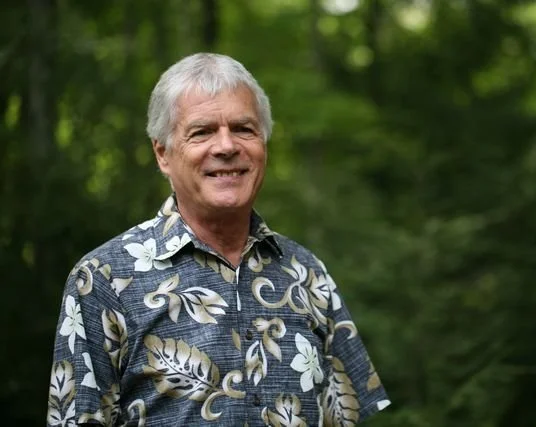
Peter Sale
This is article No. 20 in the current series, Nurturing Our Watersheds, from Muskoka Watershed Council. Its author, and series editor, is Peter Sale, aquatic environmental scientist, Bracebridge resident, and director and a former chair of Muskoka Watershed Council. The series is edited by Peter Sale.