

It’s spring in Muskoka, let’s talk about temperatures
By Peter Sale | Saturday, April 4th, 2026
At last, it is spring. The snow is melting. The sun feels warmer. And I want to talk about temperature, or, more specifically, all those temperatures the media tell us the planet is heading toward or has reached.
If you pay attention to climate news, as I do, you will have seen the reports. Last year, 2025, was the third warmest year on record; only 2023 and 2024, the warmest, were warmer. The last 11 years have been the 11 warmest years since weather records have been collected. The world could reach a temperature 1.5 C warmer than pre-industrial times as early as 2029.
And yet, we’re told that since 2015 the world has had average temperatures some months that were 1.5 C warmer; most months since mid-2023 have been this warm. If you follow news on Canada’s climate you will have heard that we’ve already warmed 1.7 C since 1948 and are heading toward a warming of at least 5 C more by 2100. Are the scientists who write these reports making up numbers, using different thermometers, or talking about something a little more complicated than it seems?
The planet is currently warming at an exceptionally rapid rate, and climate scientists are careful about things like temperature — they nearly all use the Celsius temperature scale and their instruments are accurate. Temperature is complicated!
Long before we even heard of climate change, we knew that some places are warmer than others. So are some seasons, and days are usually warmer than nights. The global average temperature of the planet is the average of thousands of temperature measurements scattered across its surface, across all seasons and times of day. We also know that temperature at any place varies from day to day and year to year. So the notion of a 1.5 C increase in average temperature is something that can only be determined by averaging across places, times, seasons and years. To deal with all this variability, climate scientists traditionally use a 30-year span of time as the minimum over which to calculate an average climate. They also refer to 1850-1900 as pre-industrial time.
The +1.5 C target of the 2015 Paris Accord refers to the planet’s temperature averaged over a 30-year span. Canada is warming about twice as fast as average for the planet although with northern Canada much faster, and southern Canada not much faster than the global average. And the world has now warmed sufficiently that we are seeing stretches of time months long in which the global average temperature is already more than 1.5 C warmer than in 1850-1900. We have not yet seen a 30-year average of +1.5 C but will exceed that Paris target by 2029 or 2030.
But what does any of this mean for the Muskoka region? It means a great deal. Beyond understanding that climate is warming, we need to appreciate this warming is exceptionally fast and will continue for many years.
During the last Pleistocene glaciation when the Muskoka region sat under a couple of kilometres of ice, temperatures were only about 6 C colder than today. It took around 1,000 years to gain 4 C back as the glaciers retreated and the forests moved back in. It warmed 2 C more in the 10,000 years until now. Adding another 6 C or 7 C in the next 70 years is both likely and extremely rapid. How much will that change Muskoka’s environment?
Our challenge as residents is to keep this natural ecosystem we love healthy and resilient while it is being forced to change as drastically and far more rapidly than it did since the ice ages. And this time, it must change while simultaneously coping with the stresses growing numbers of us place upon it in our daily lives. This is one big reason why we must nurture our watersheds far more carefully and consciously than we have in the past.
This article was first published by MuskokaRegion.com.
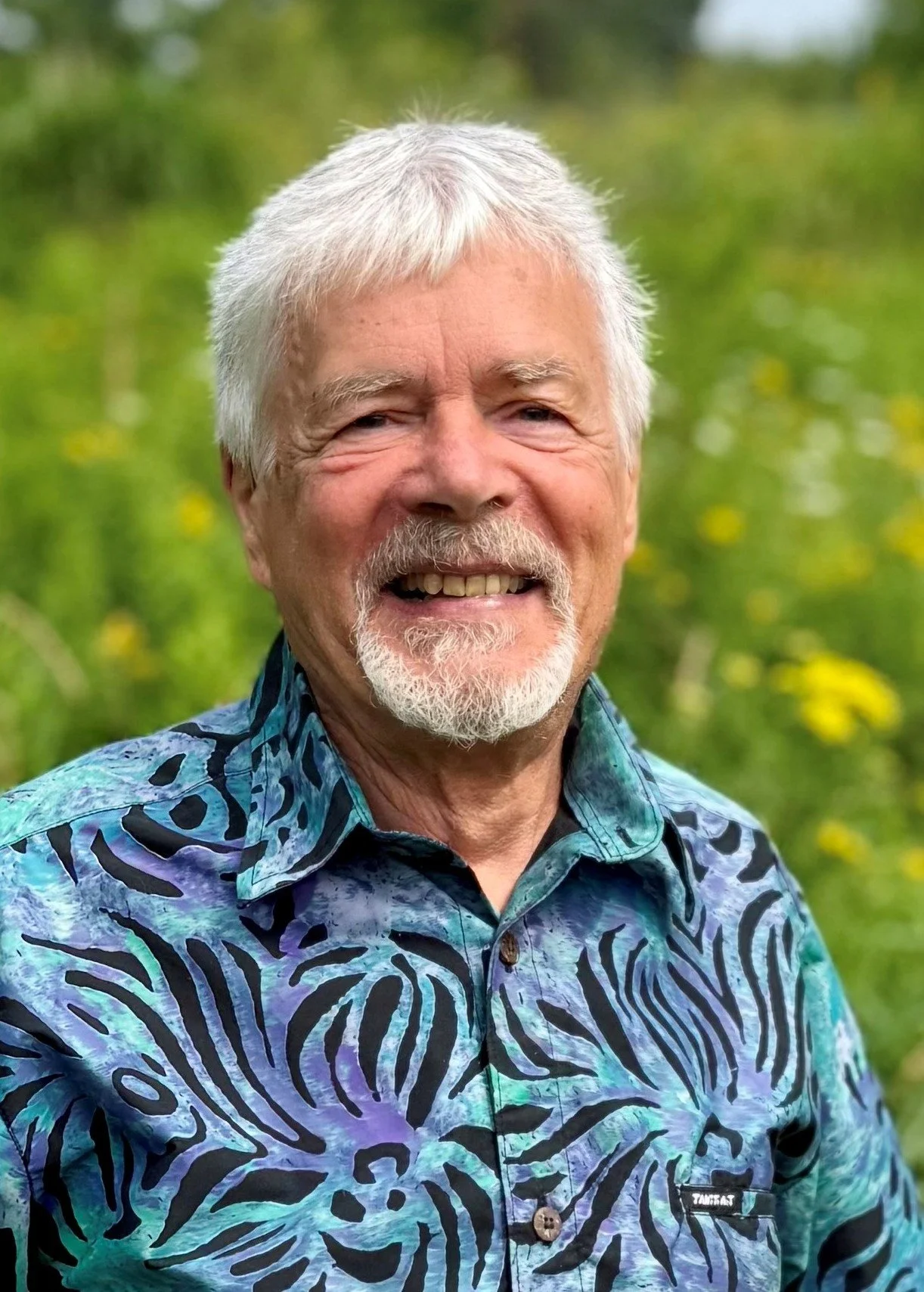
Peter Sale
This is article No. 14 in the current series, Nurturing Our Watersheds, from Muskoka Watershed Council. Its author, and the series editor, is Peter Sale, marine environmental scientist, retired academic, Muskoka resident, and Director and a former Chair of Muskoka Watershed Council.